
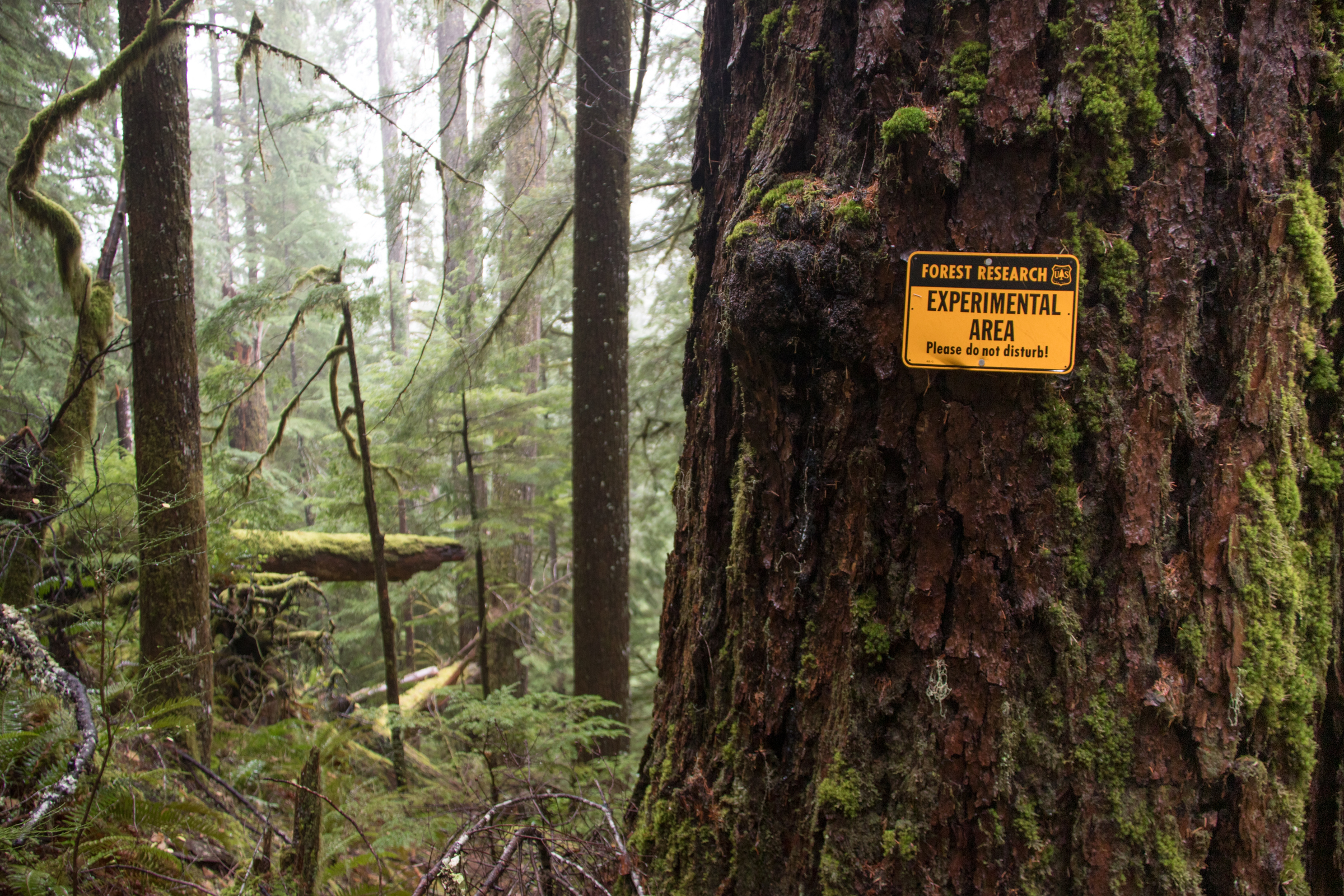
In a recent essay in Nature, former Lead PI of the LTER program, Michael Paul Nelson, reflects on the closure of long-standing U.S. Forest Service research infrastructure—including the Portland office—and what it signals for the future of long-term, place-based science central to LTER work. The real risk is not just lost funding, but the erosion of institutional memory, long-term datasets, and the relationships that sustain inquiry over decades. In this moment of contraction, Nelson argues that we should shift our priorities: away from trying to preserve every project and toward stewarding the knowledge we already have, investing in data synthesis and curation, and actively supporting the next generation of scientists. Drawing on lessons long familiar in the humanities, this is a call to re-center imagination, collaboration, and intellectual continuity. For the LTER community, it is both a warning and an opportunity—to double down on what we do best: long-term thinking, shared data, and care for the people and places that make such work possible.
Full article: "‘Continuity over novelty’: why environmental science needs to rethink its focus" Nature 651, 855 (2026). https://www.nature.com/articles/d41586-026-00933-x