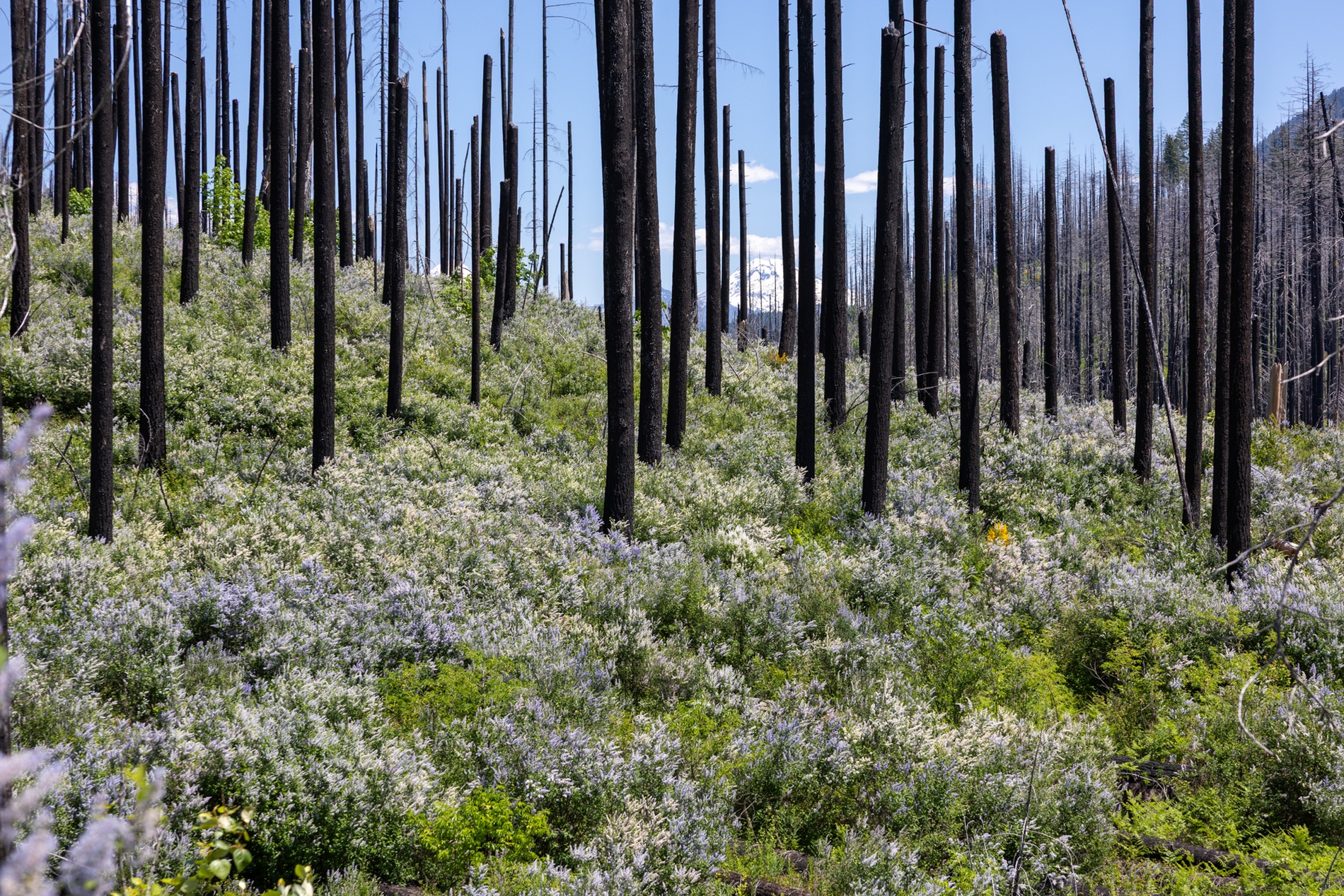
The Fire History Project at the H.J. Andrews Experimental Forest (HJA) is lead by the OSU Tree Ring Lab. The objective is to develop a precise understanding of the historical fire regime across the HJA. While previous studies characterized fire history in the HJA, there was an absence of annually and seasonally resolved reconstructions of fires developed from cross-dated cambial fire scars. These high-resolution records developed from direct evidence of historical fires will enable detailed analysis of historical fire frequency, extent, and seasonality, as well as their spatial and temporal variability across the HJA over the past four to five centuries. Precise reconstruction of historical fires is key to linking diverse forest development histories, identified in previous work at the HJA led by Alan Tepley, to diversity in historical fire frequency and effects. More broadly, this characterization of fire history will provide context for the 2020 Lookout Fire and 2023 Lookout Fire and inform how fire interacts with other disturbance processes (e.g., landslides, windthrow, forest insects, and pathogens) to shape ecosystem dynamics over centennial timescales.
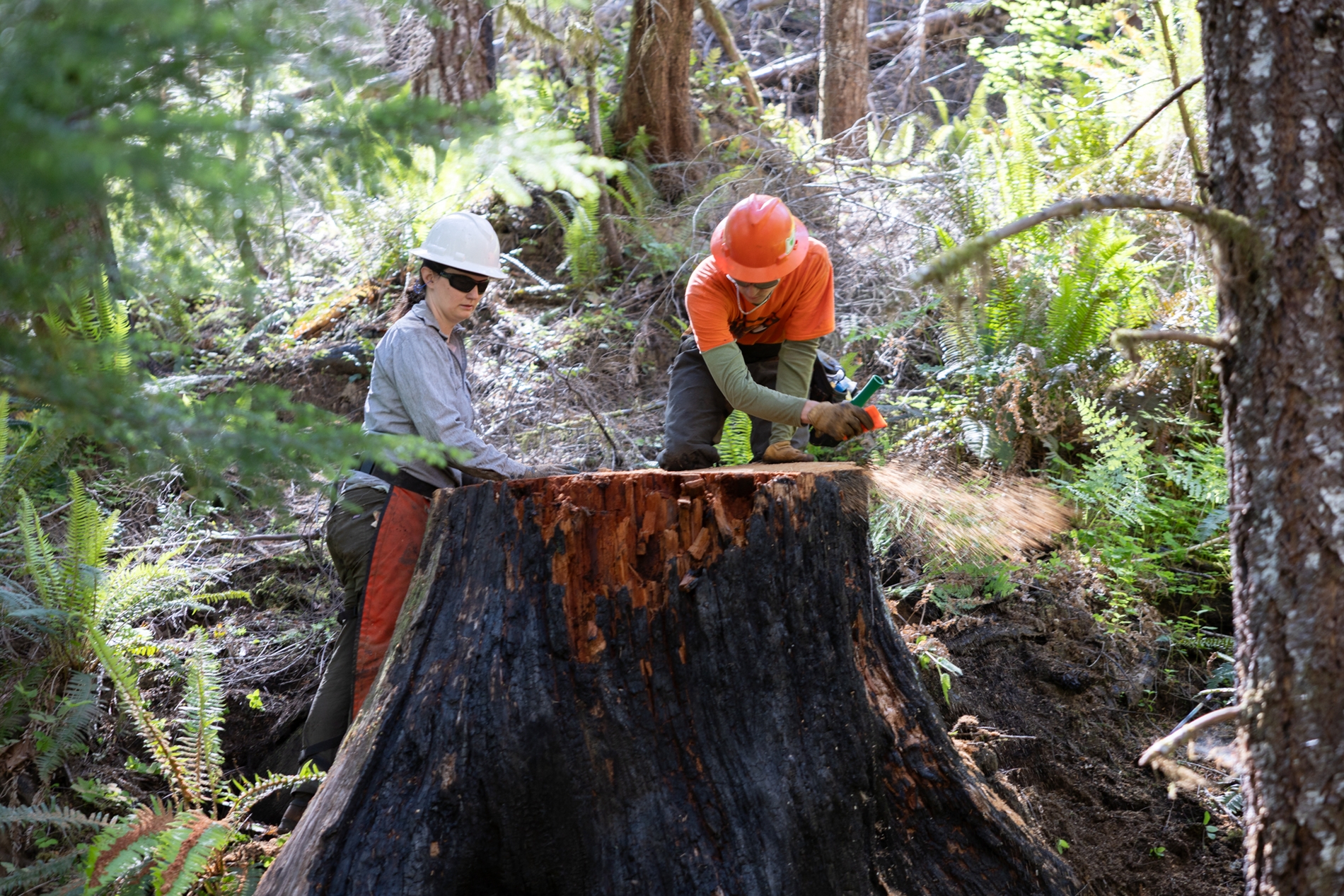
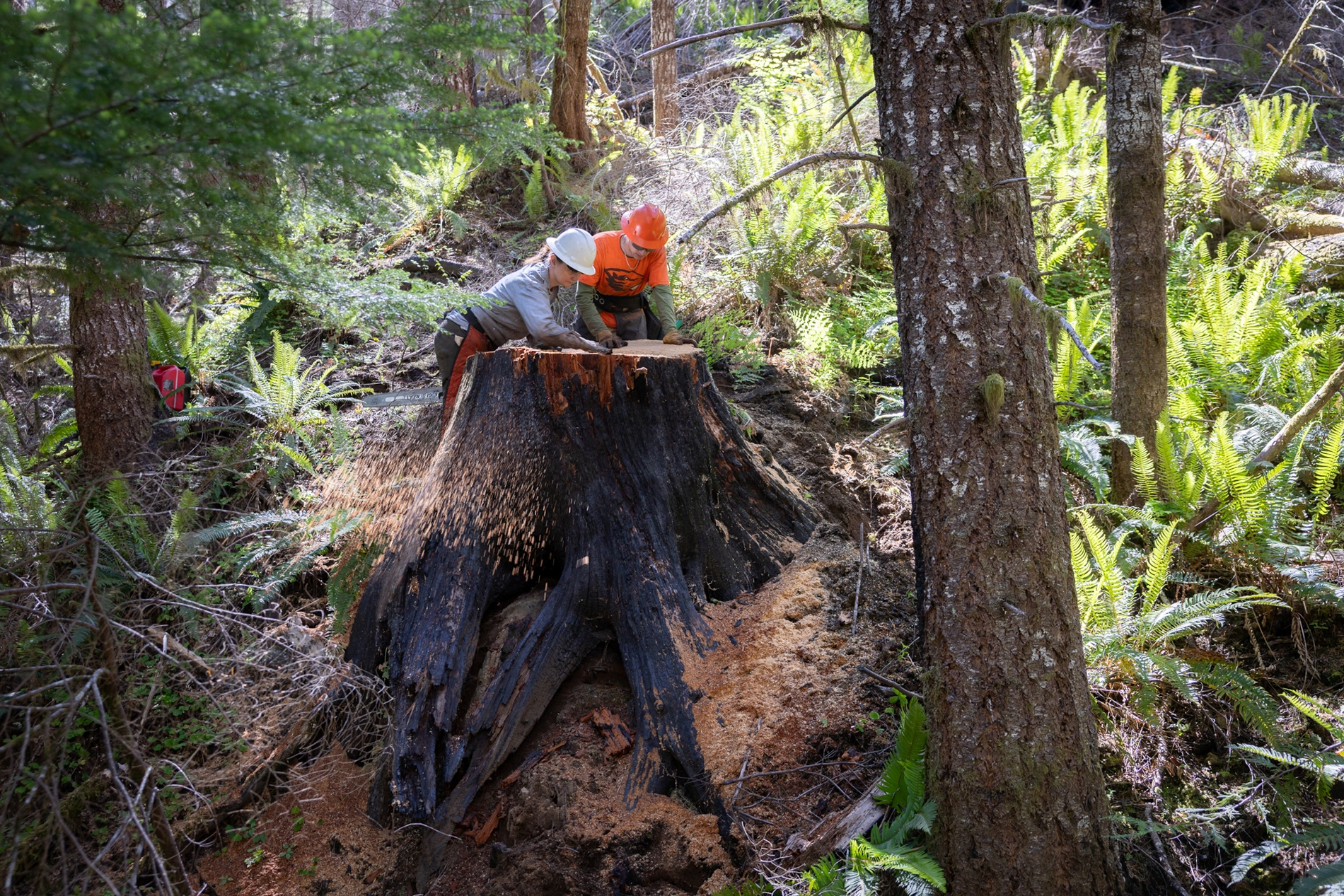
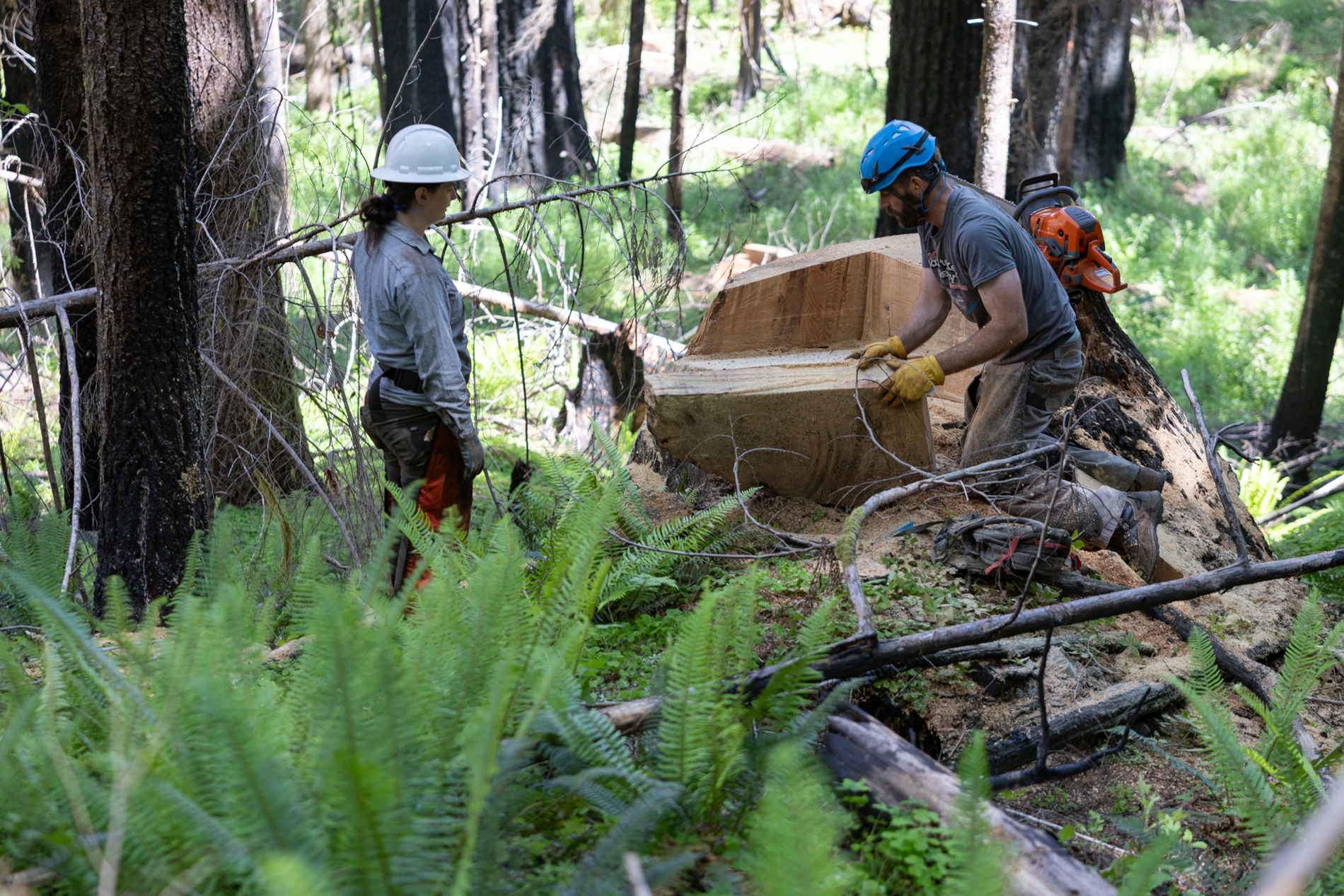
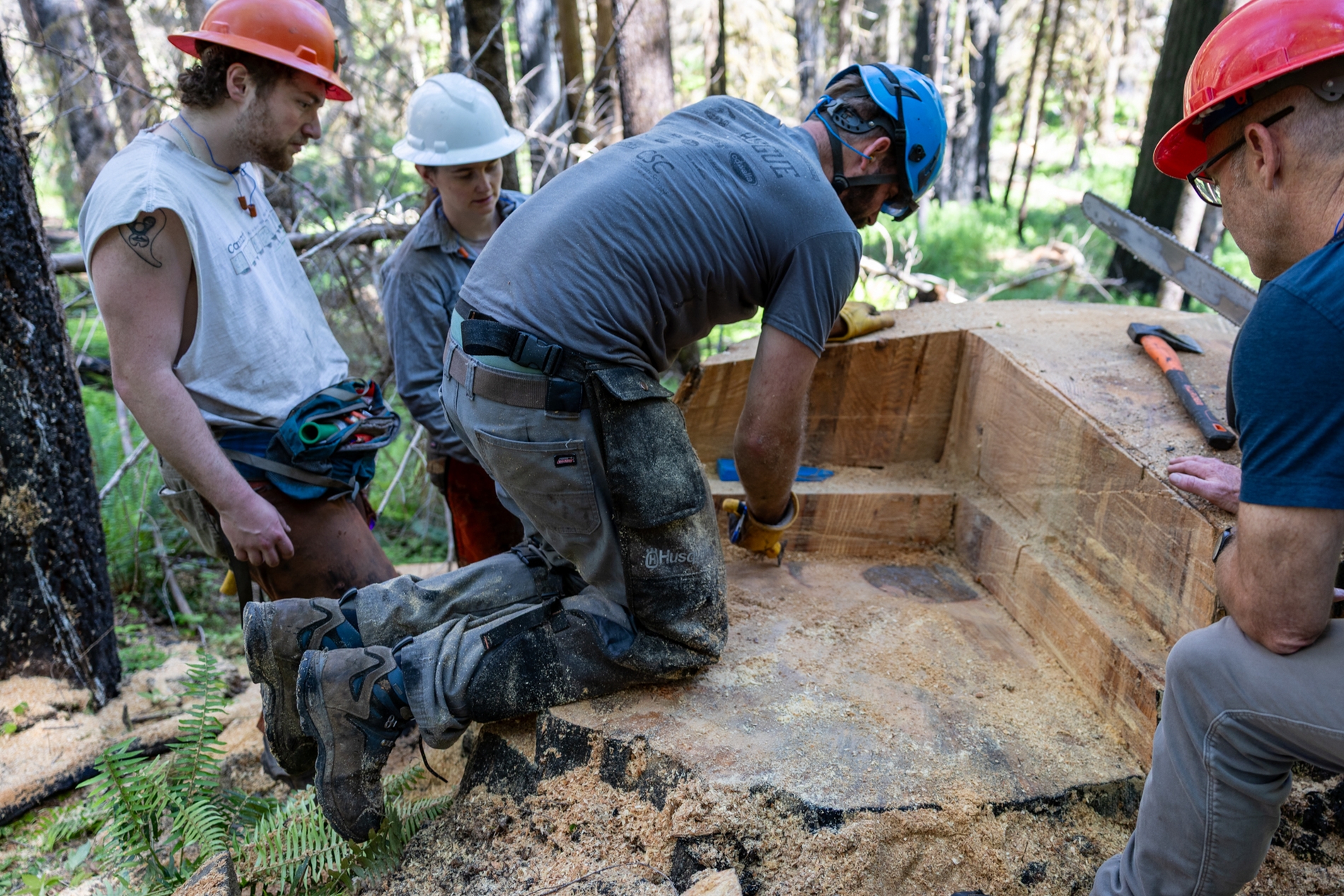
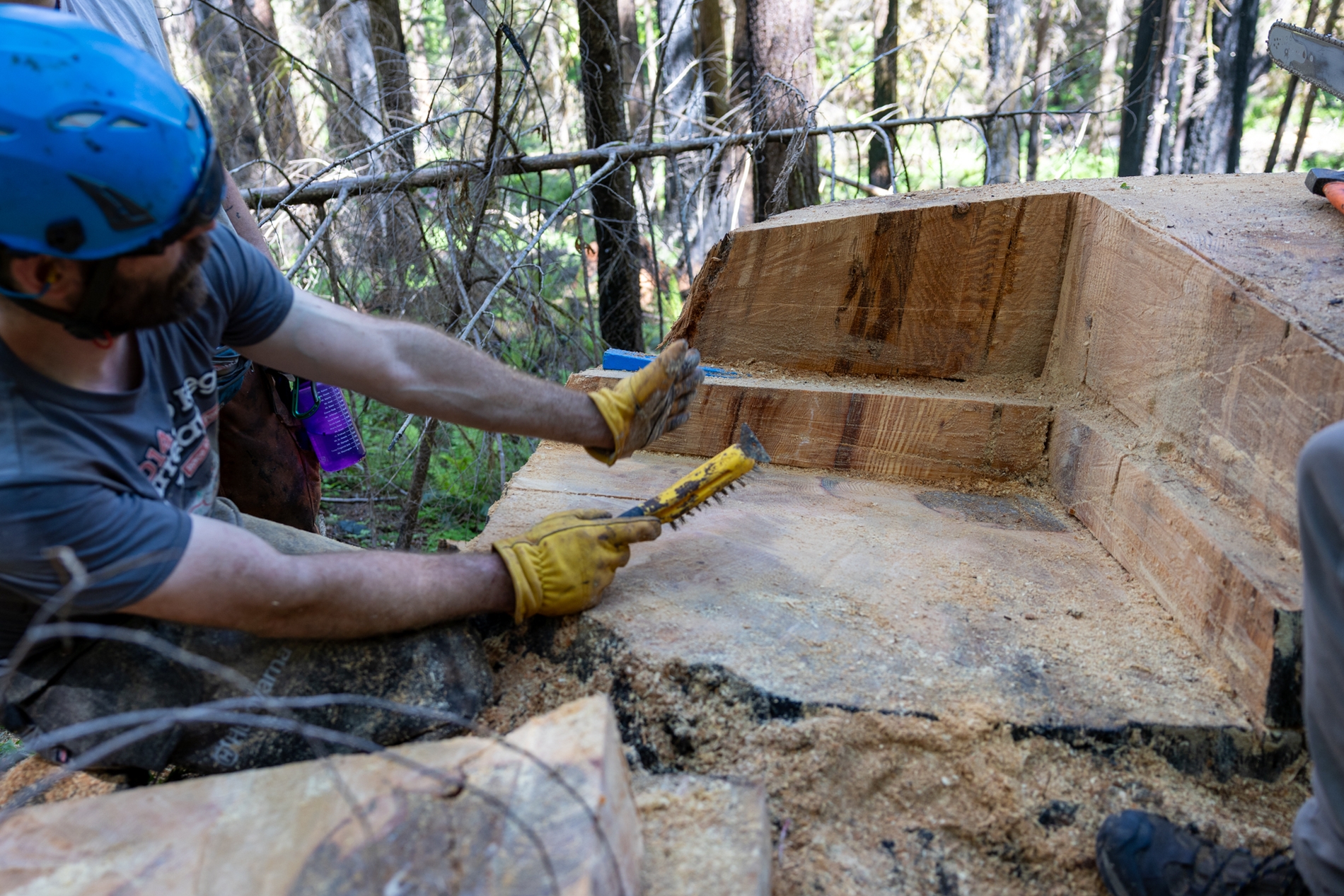
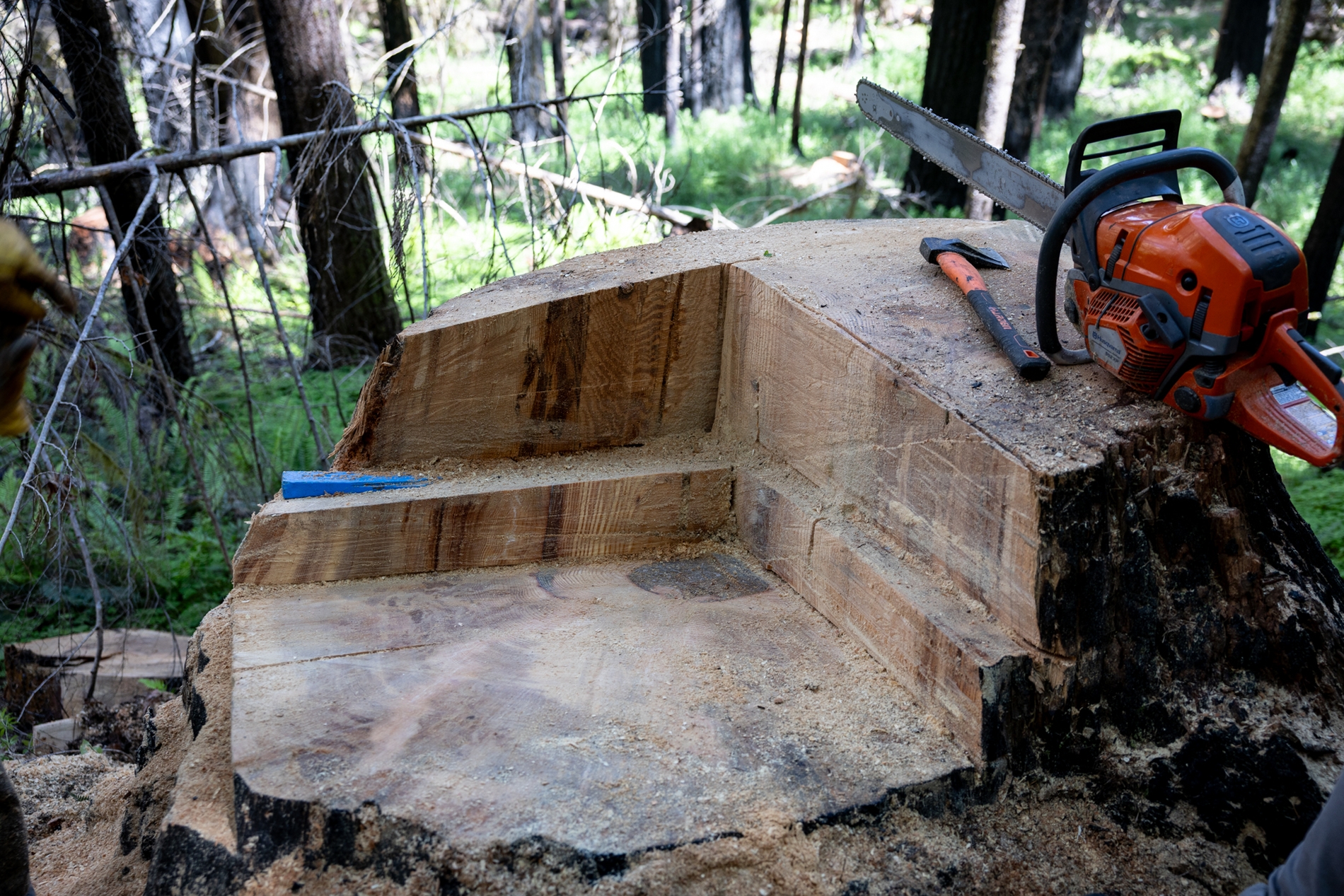
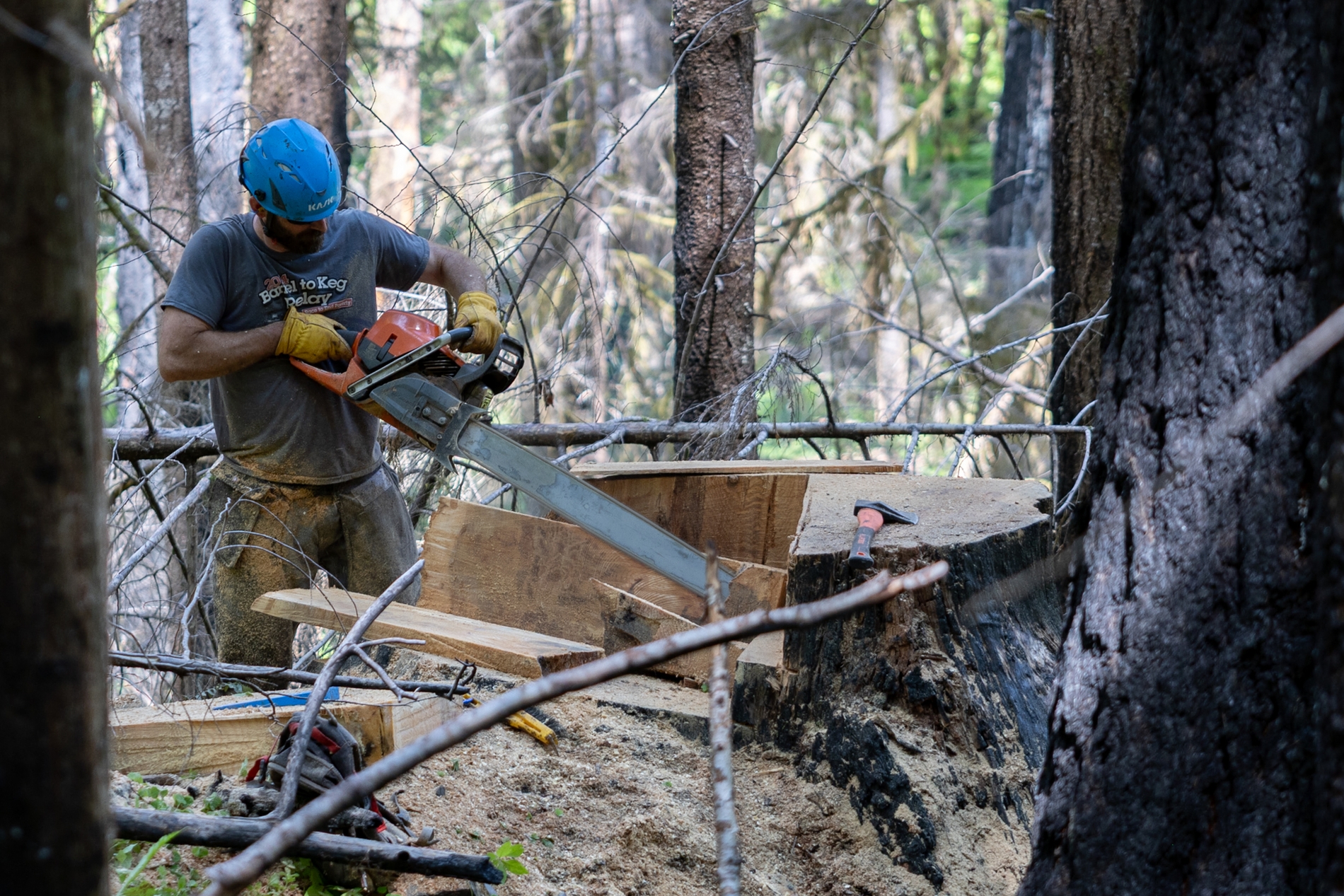
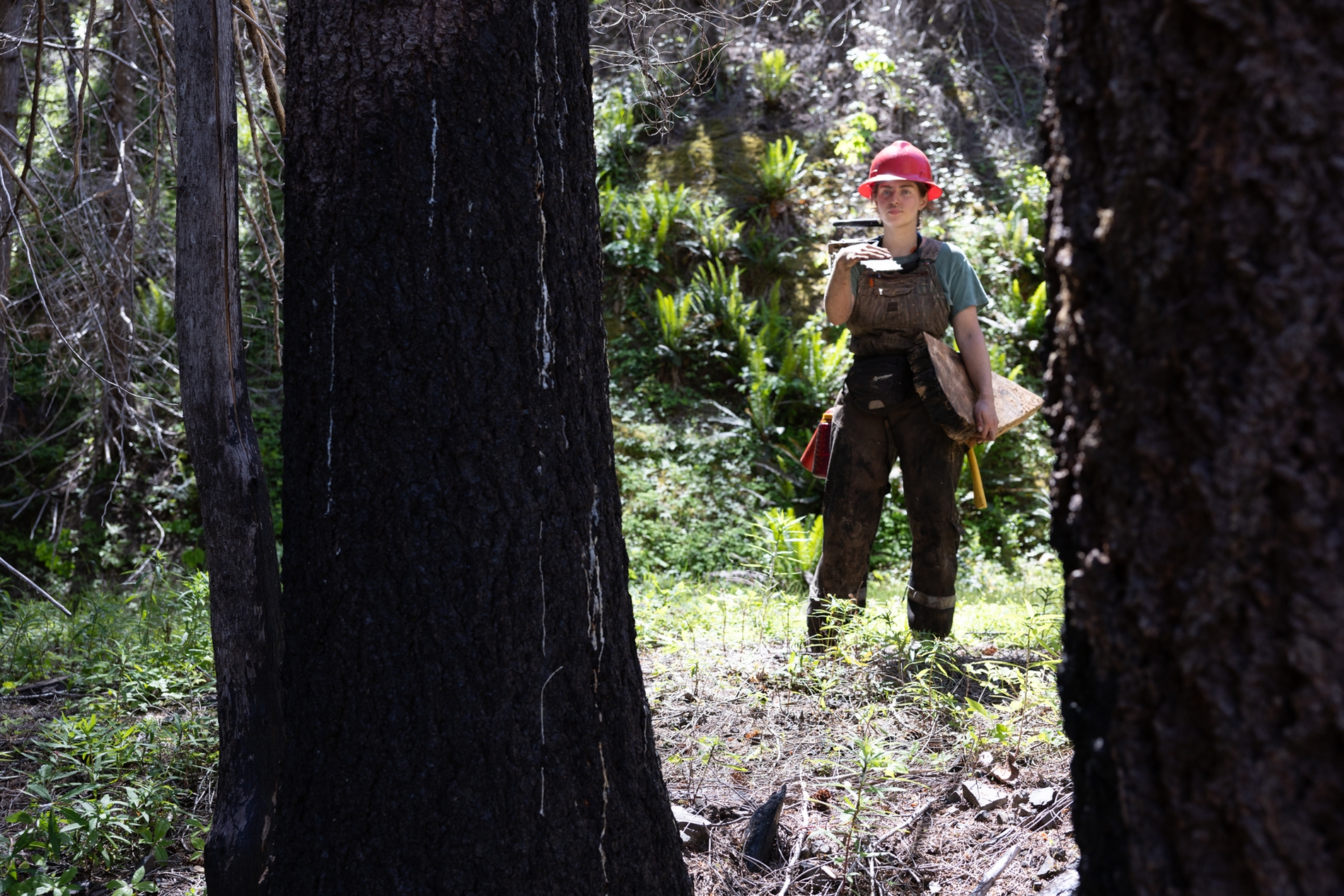
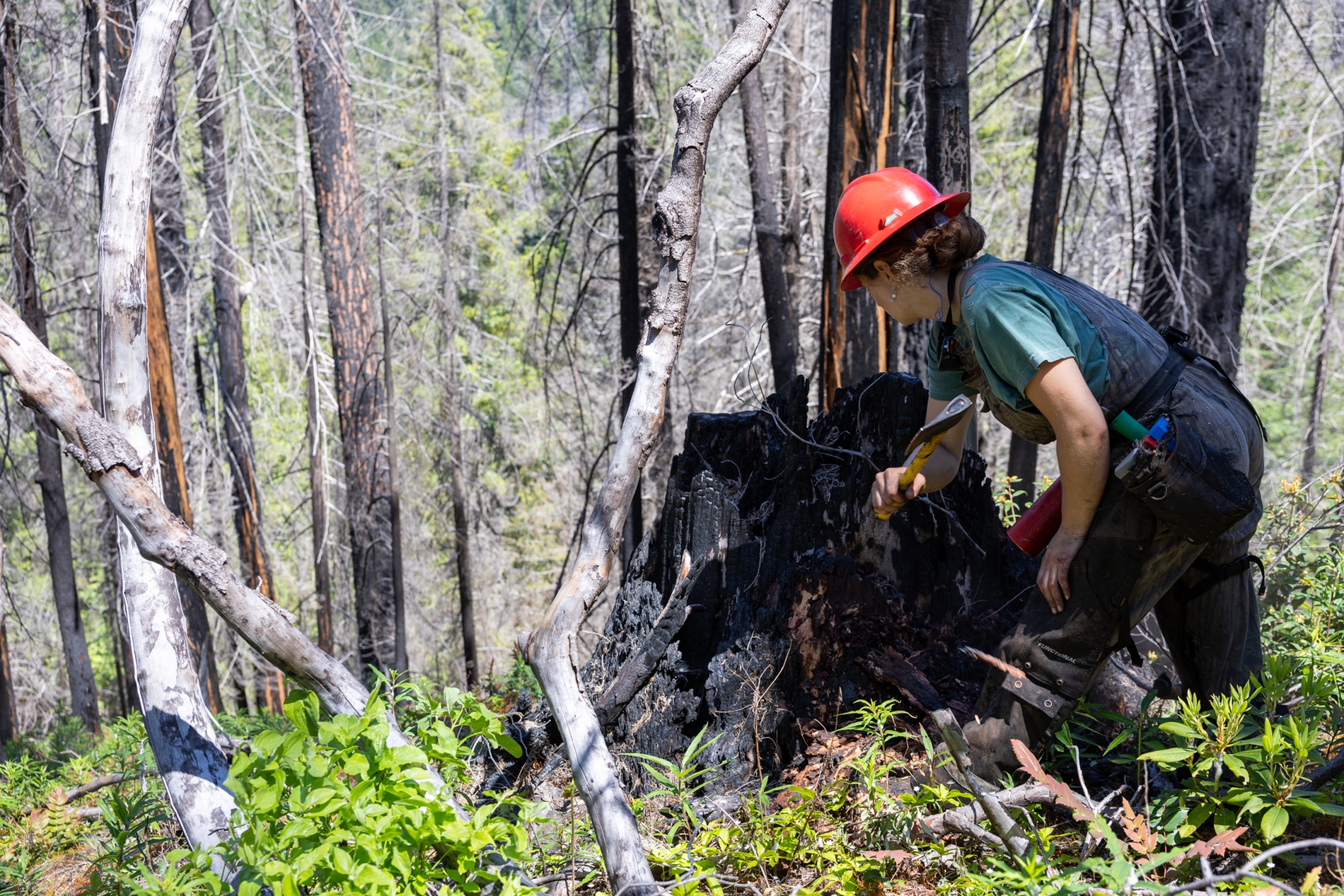
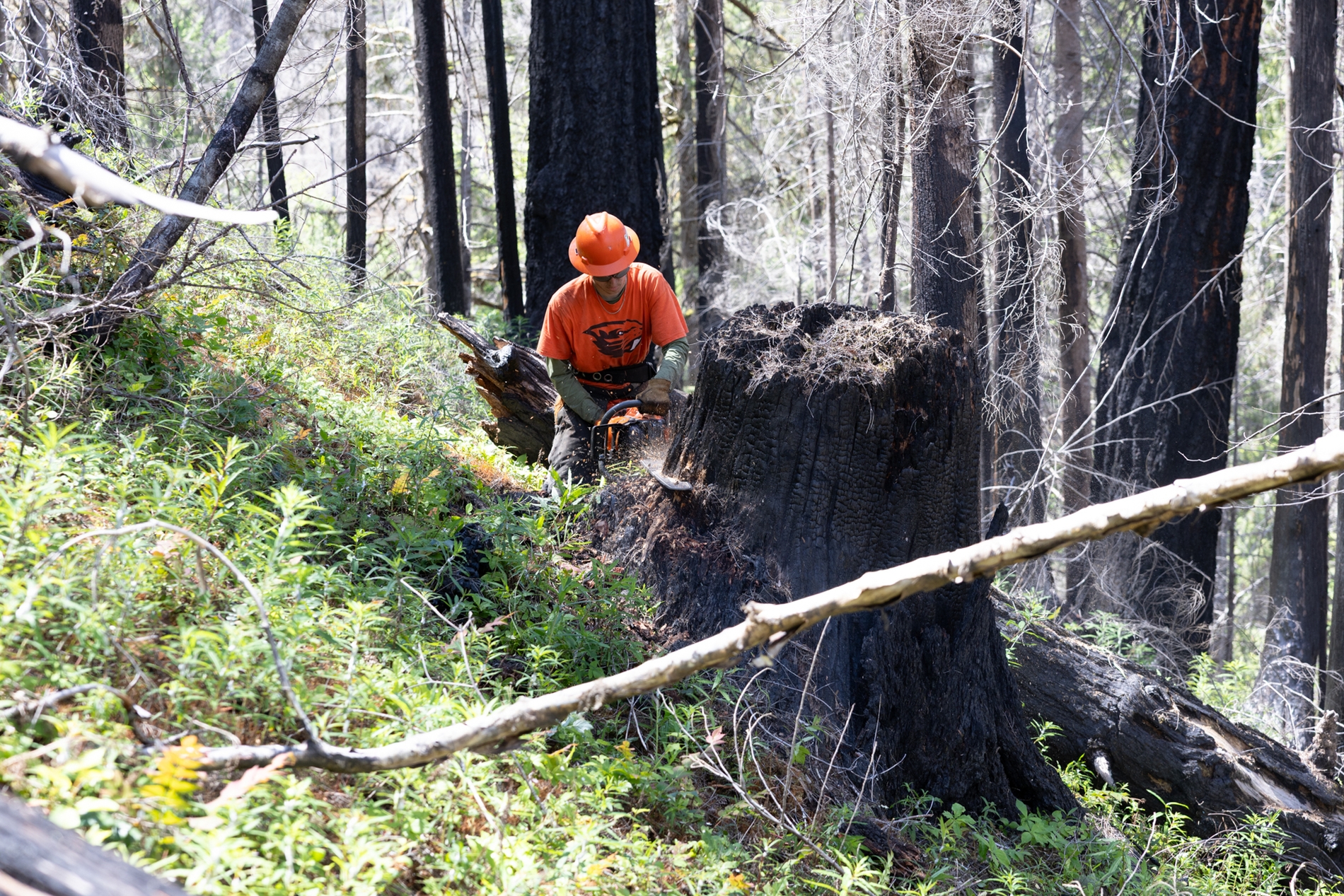
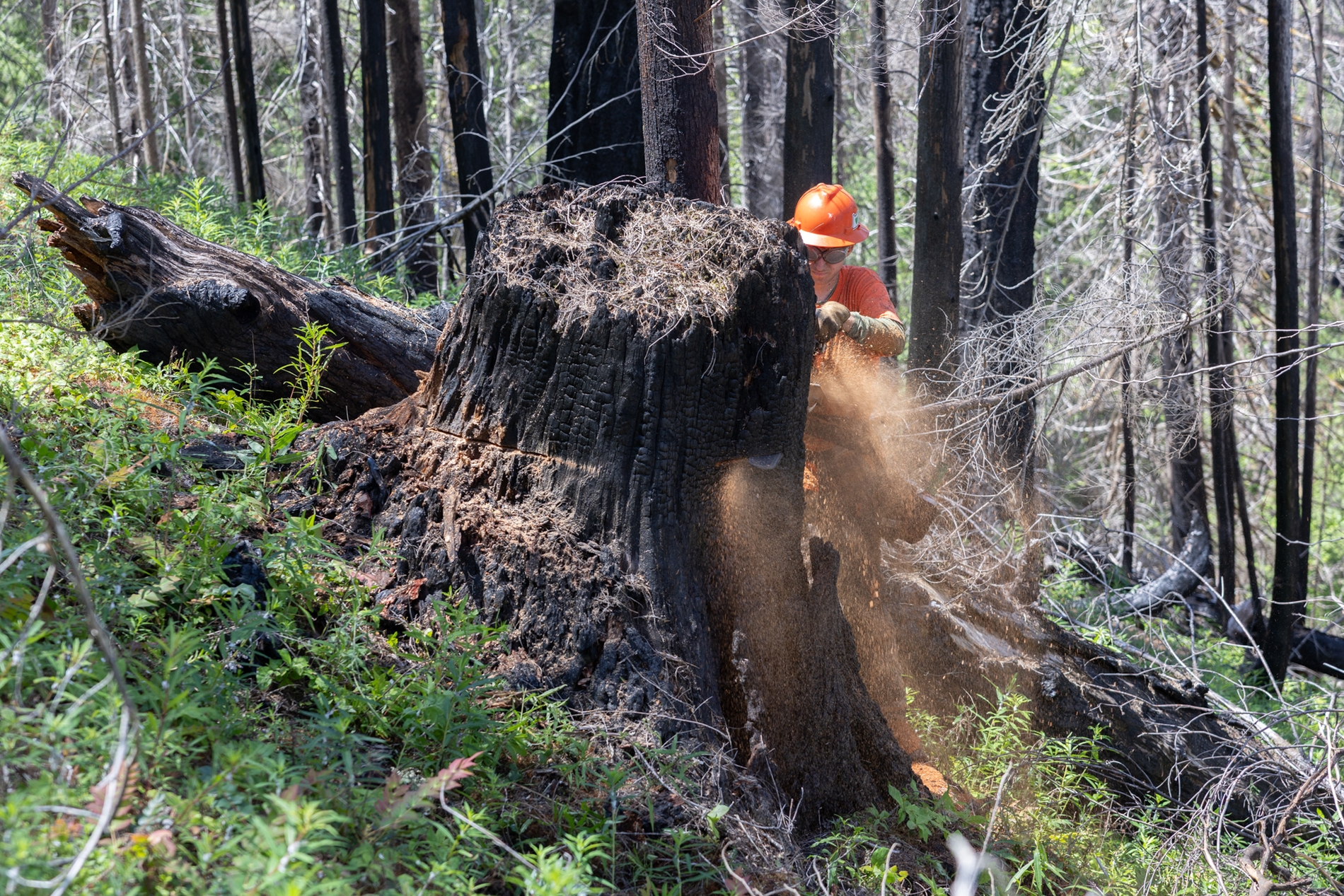
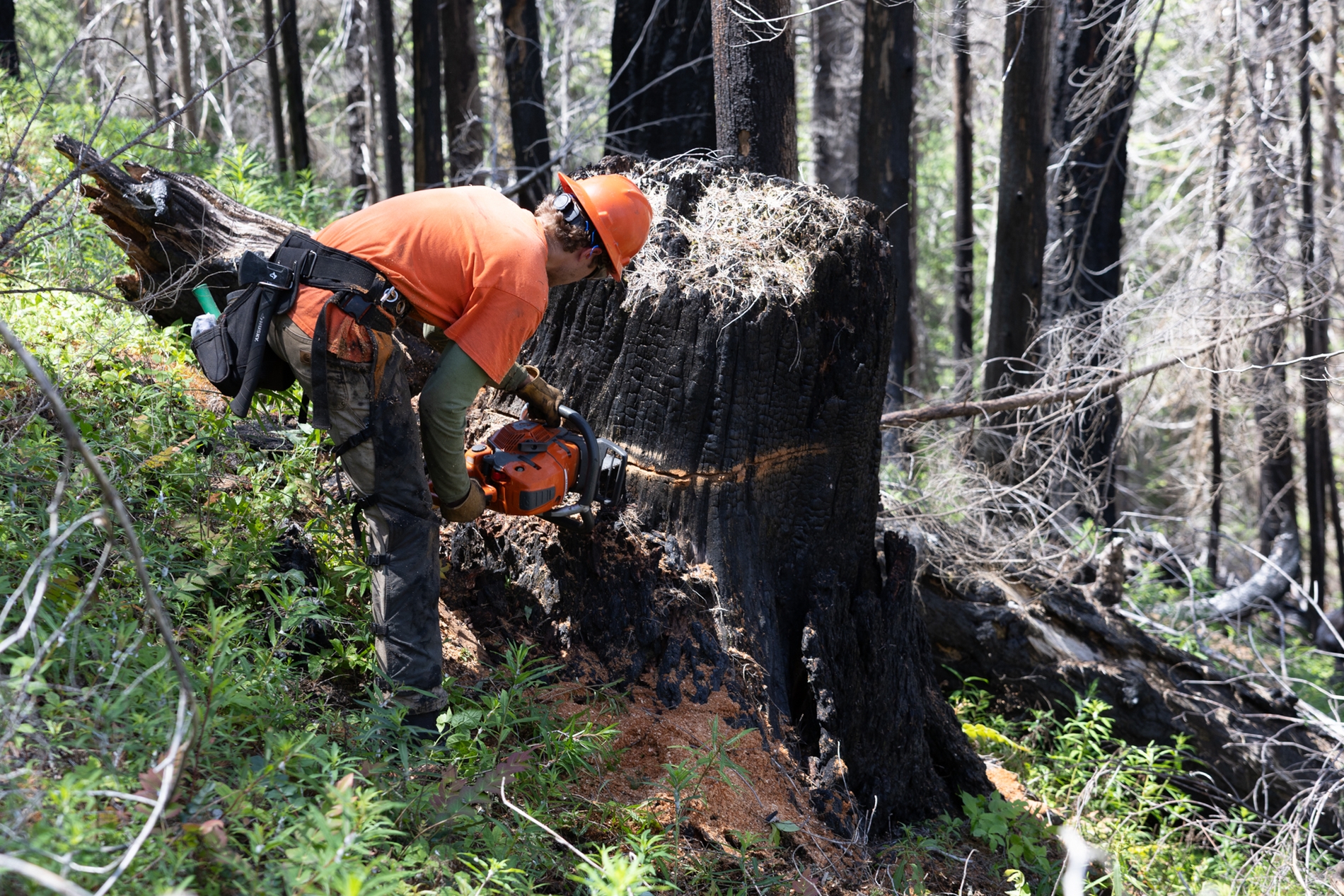
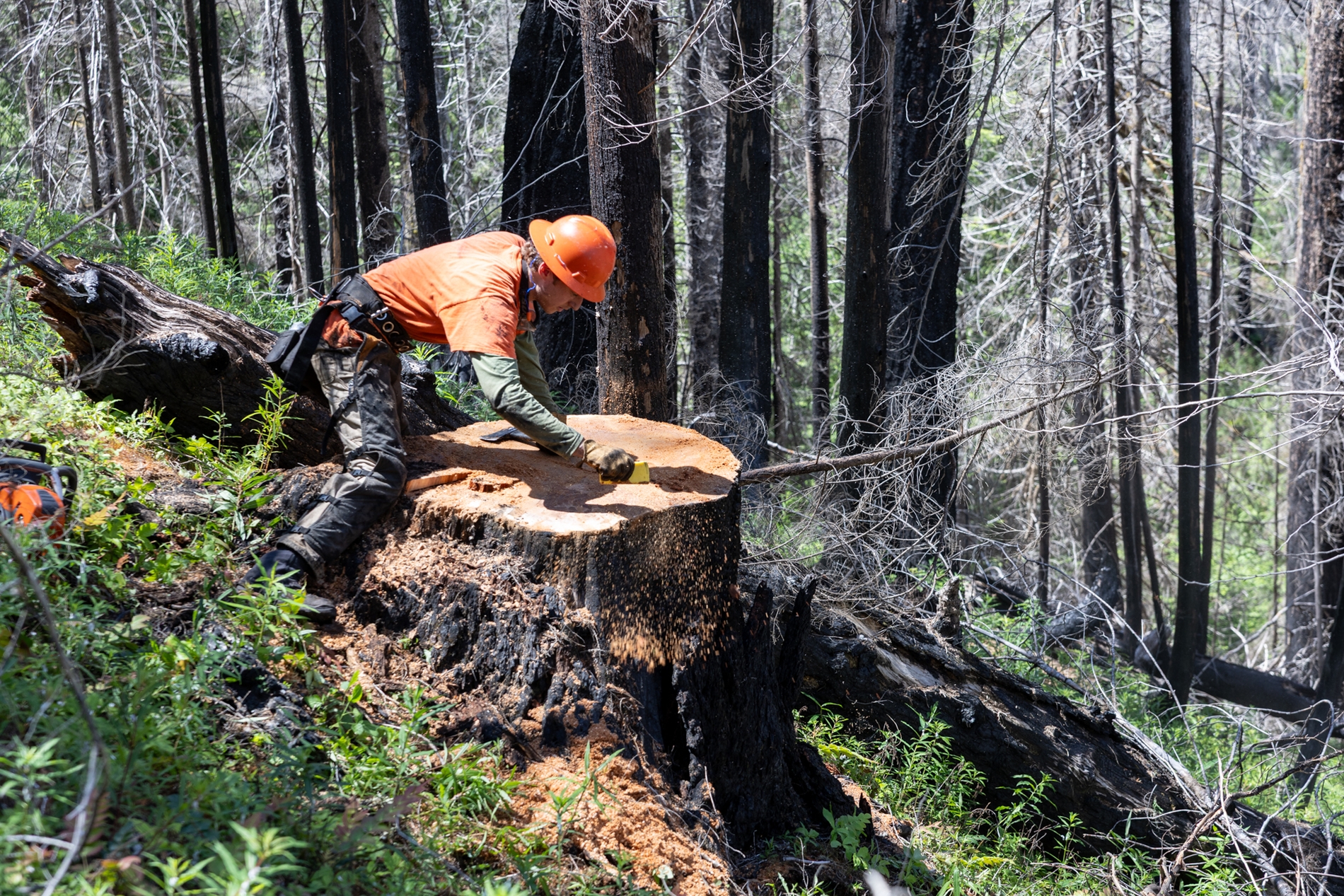
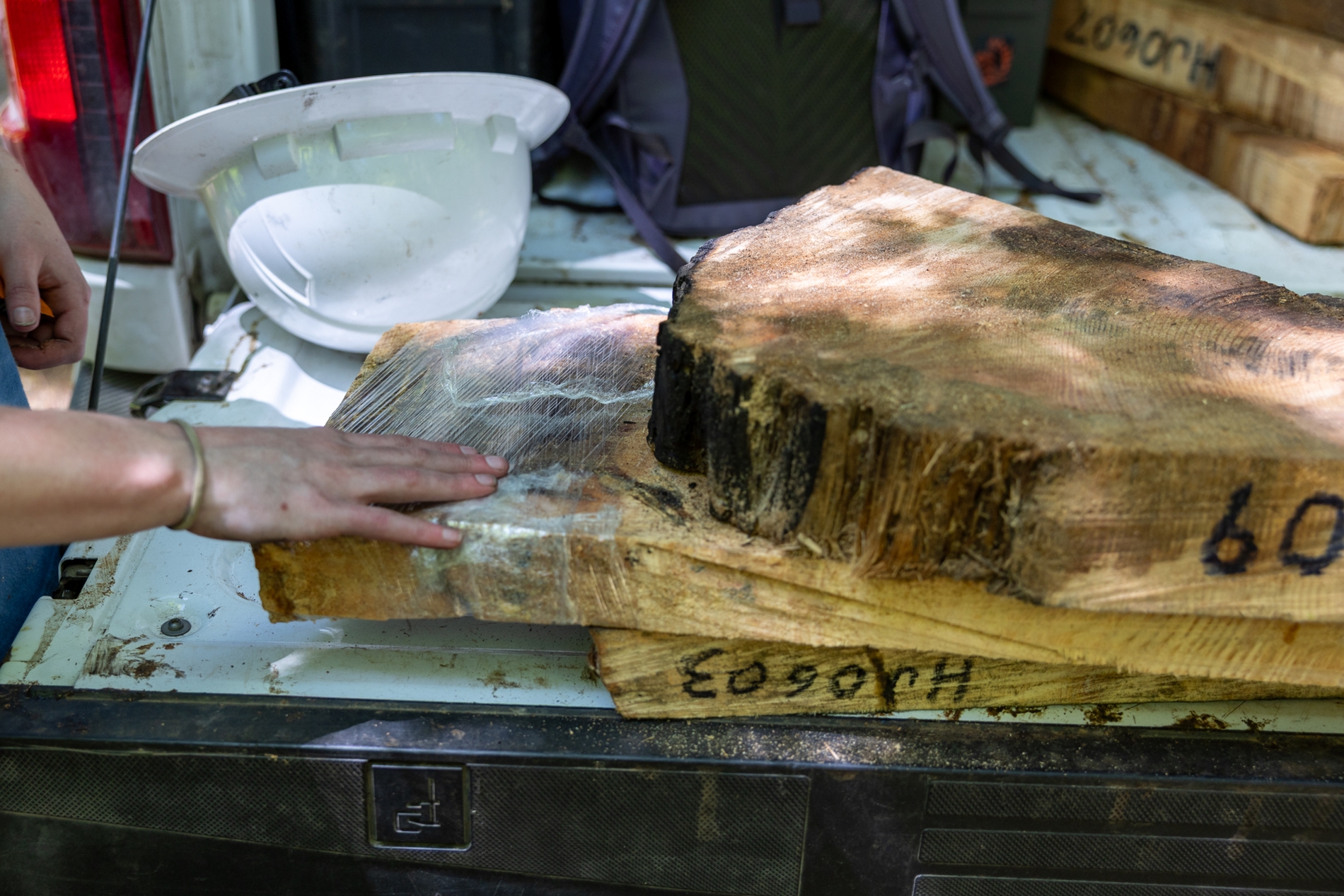
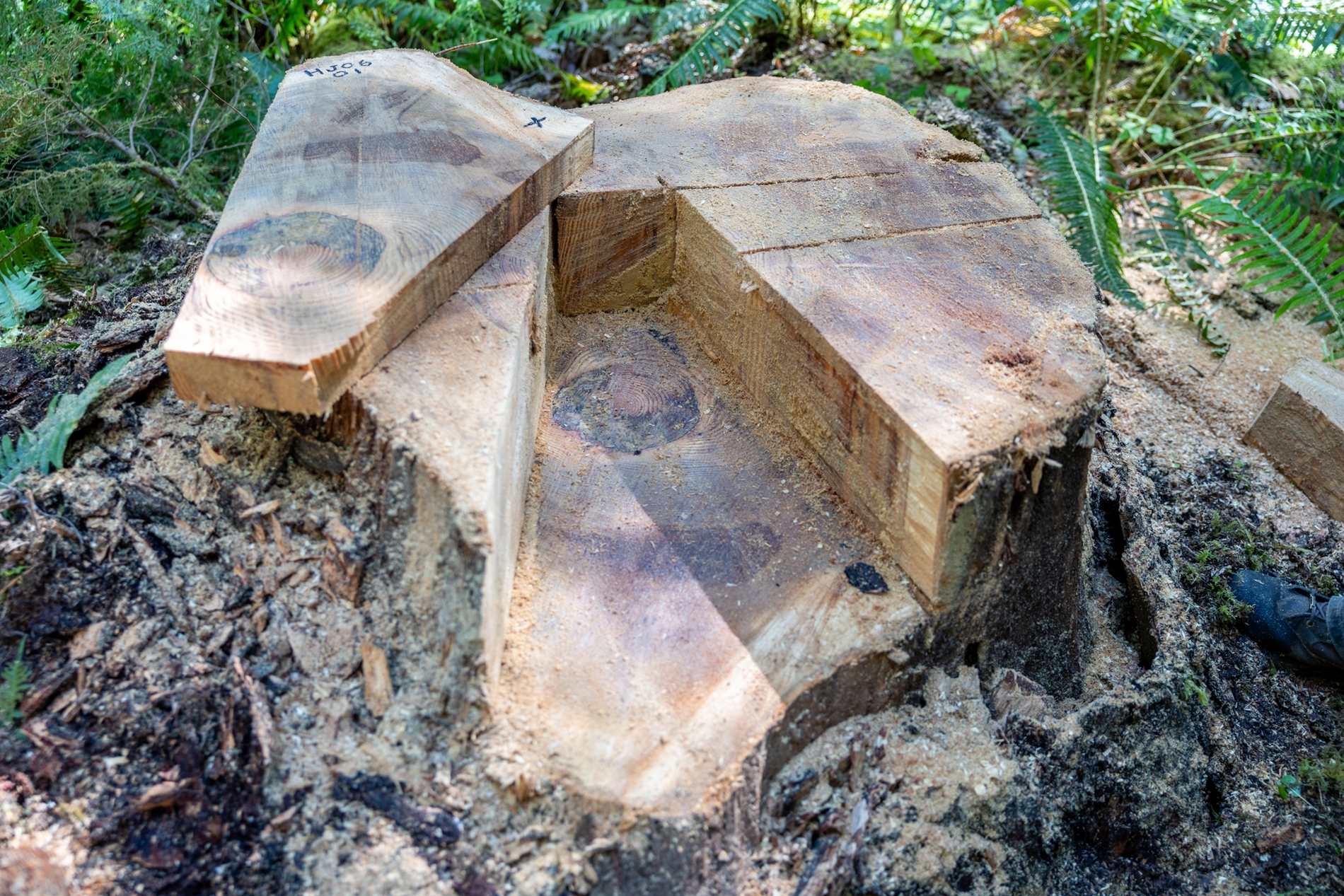
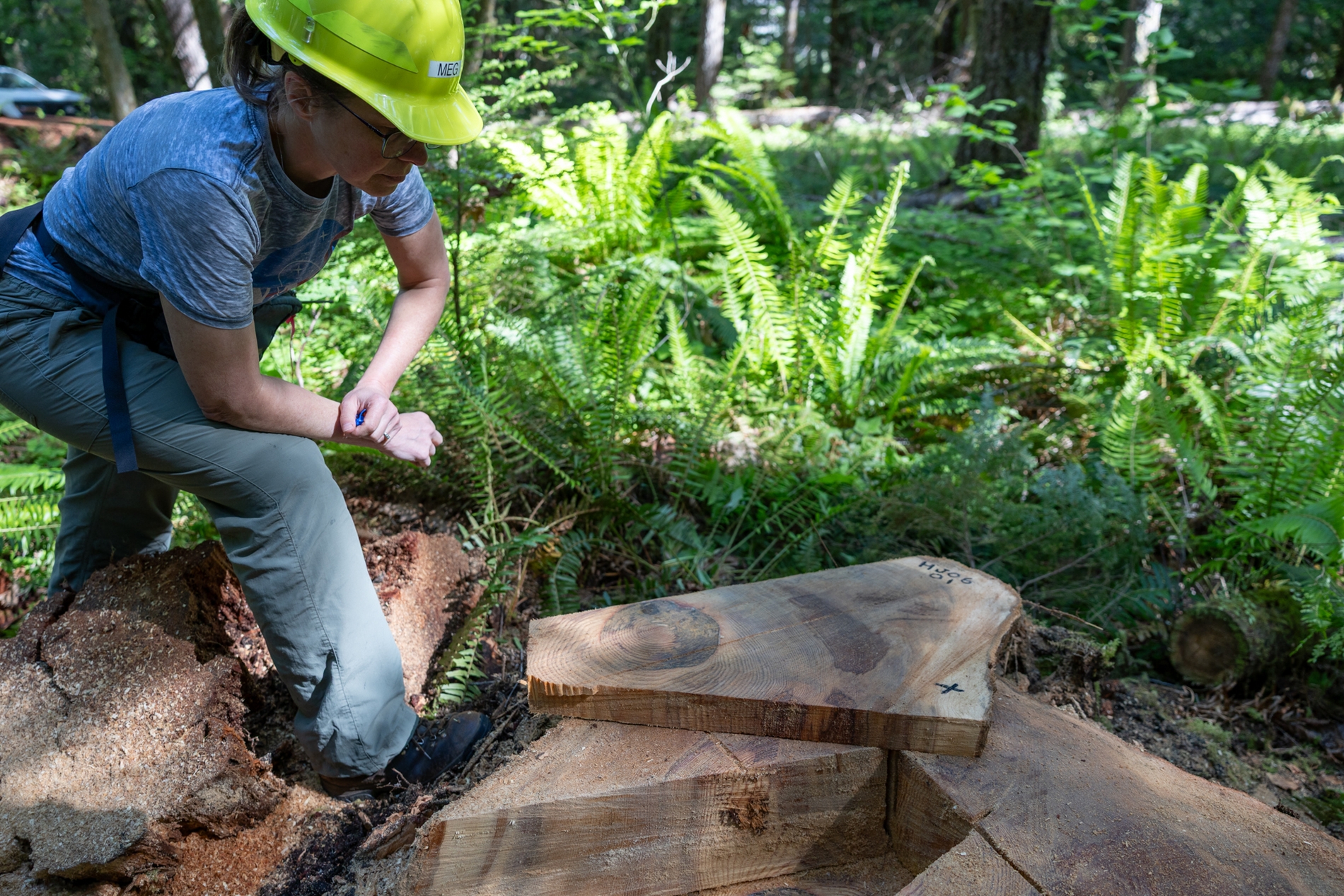
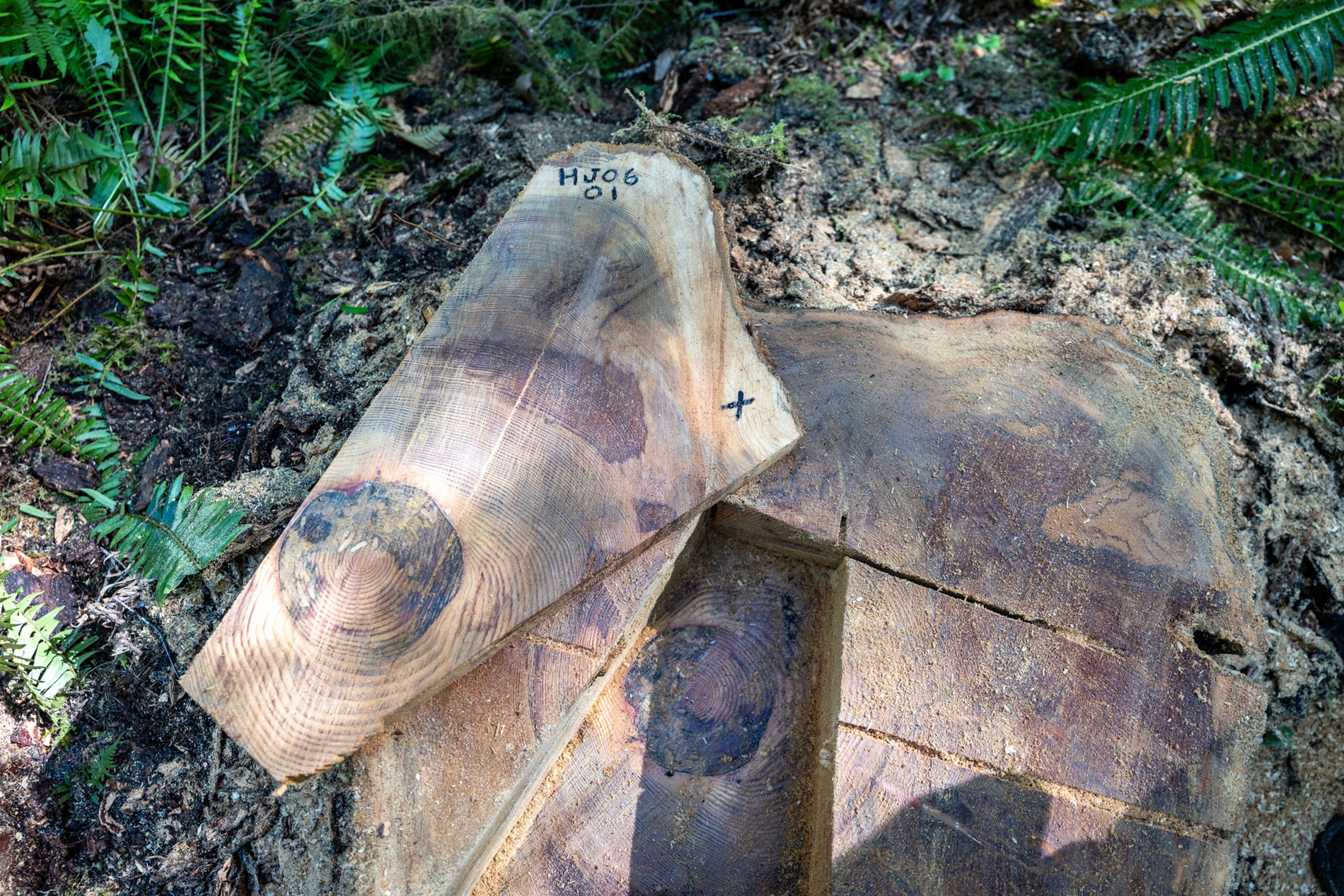
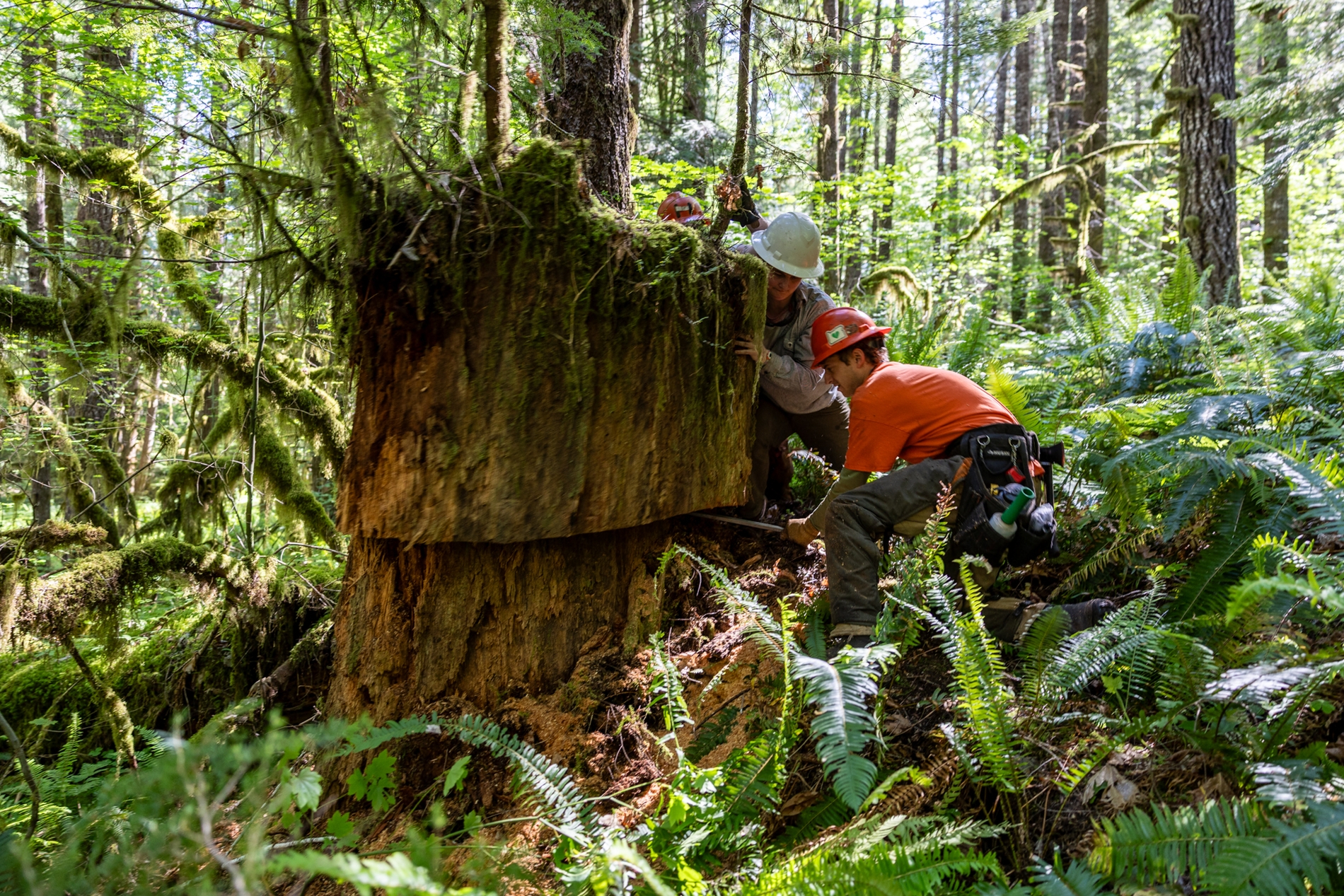
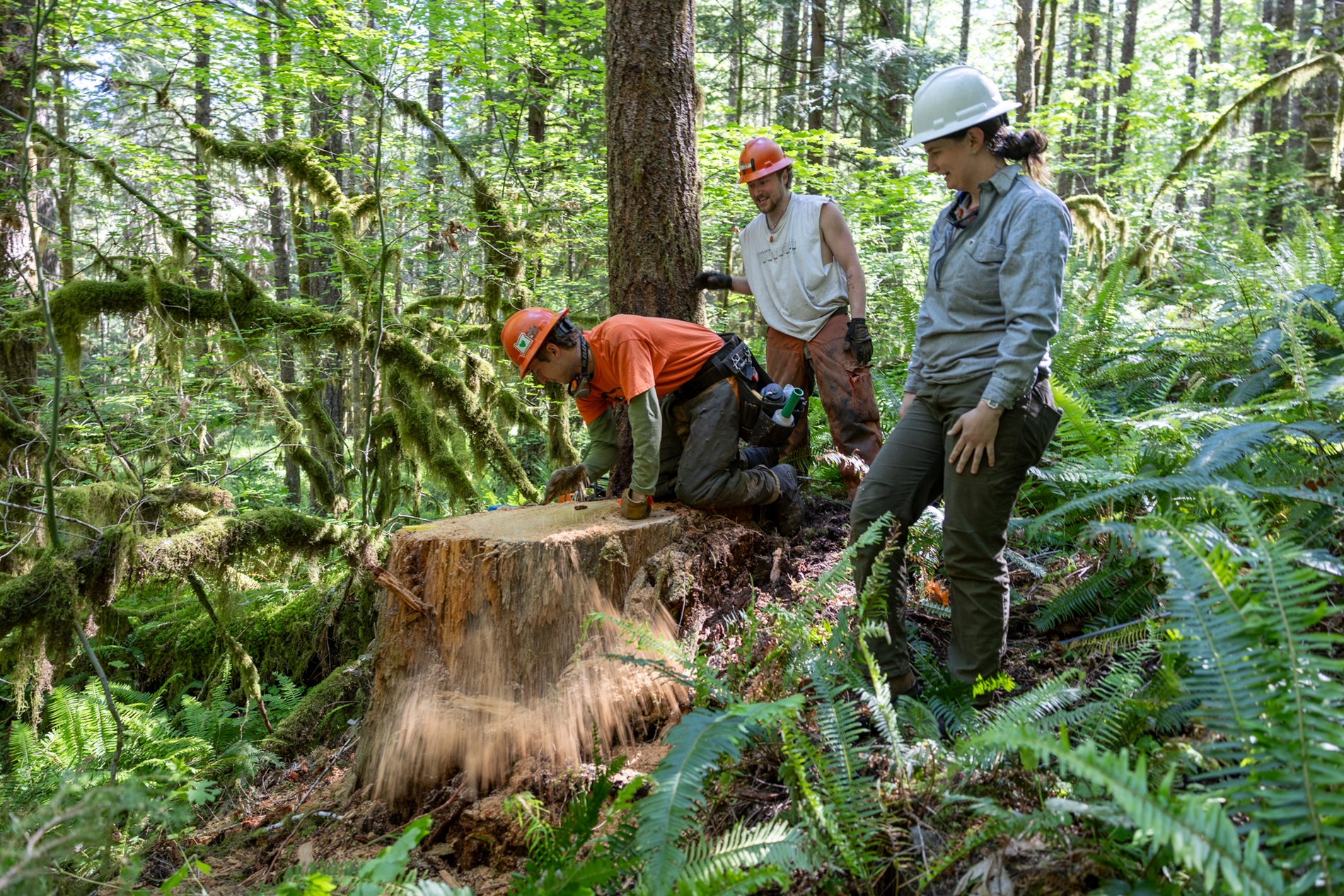
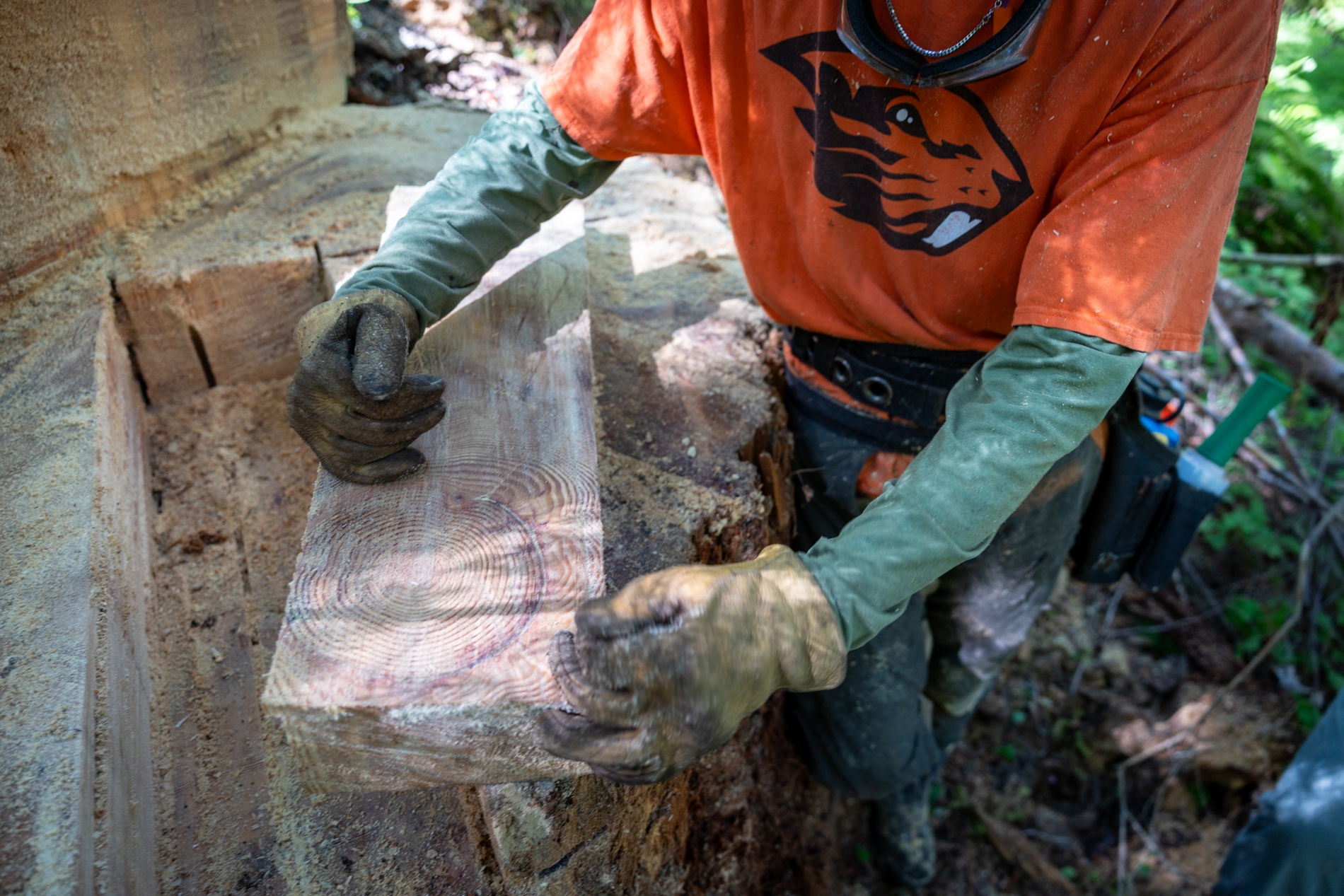
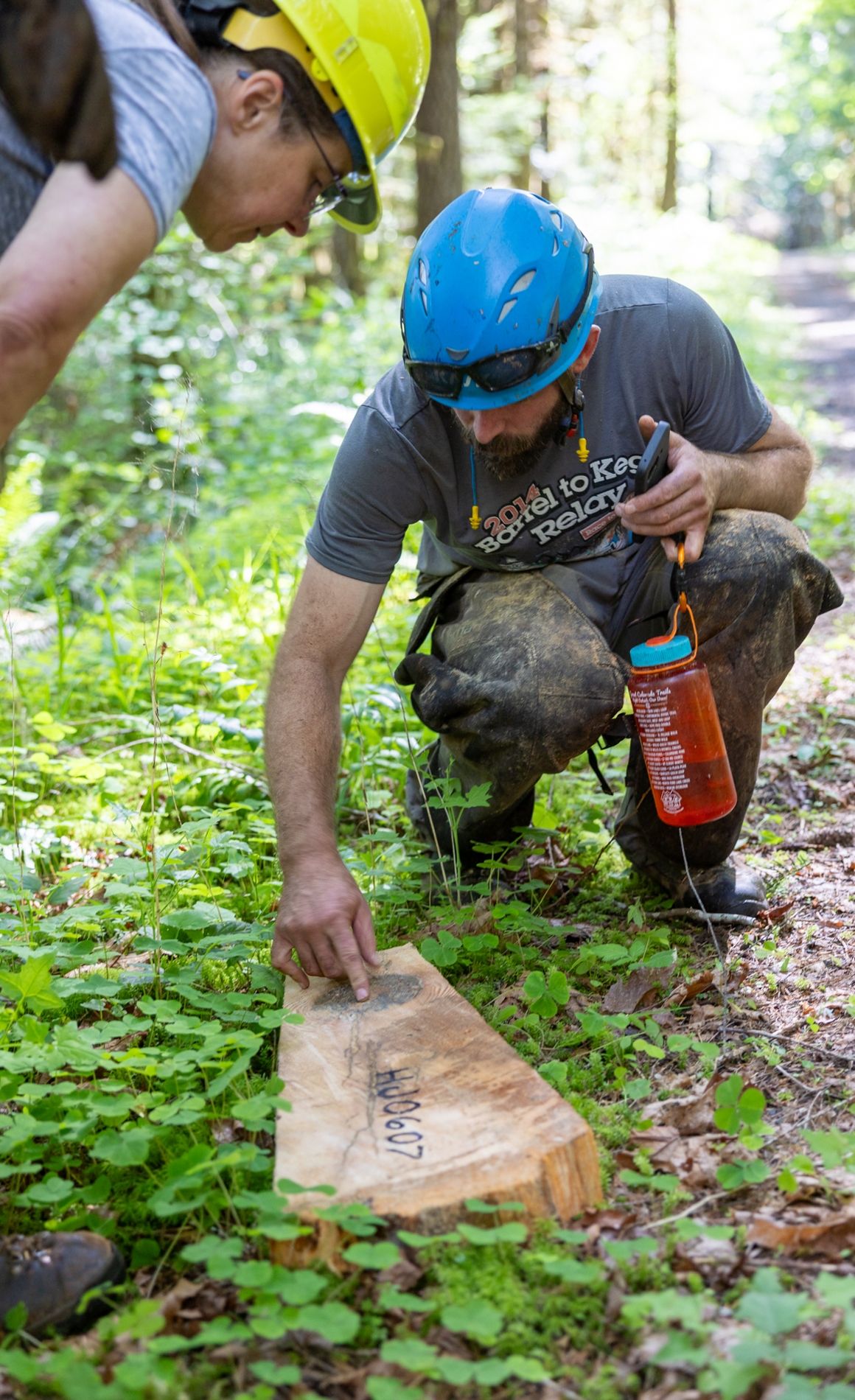
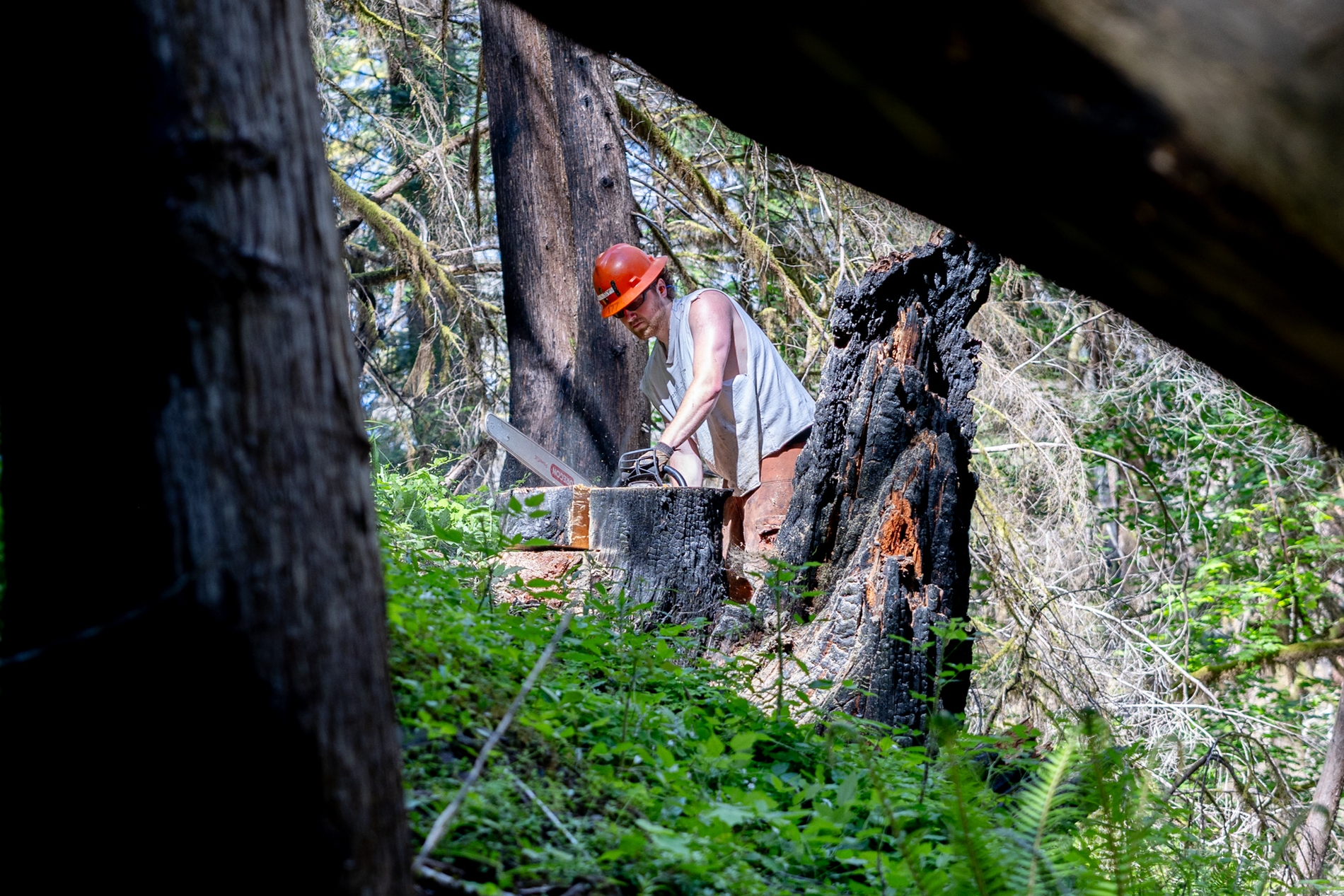
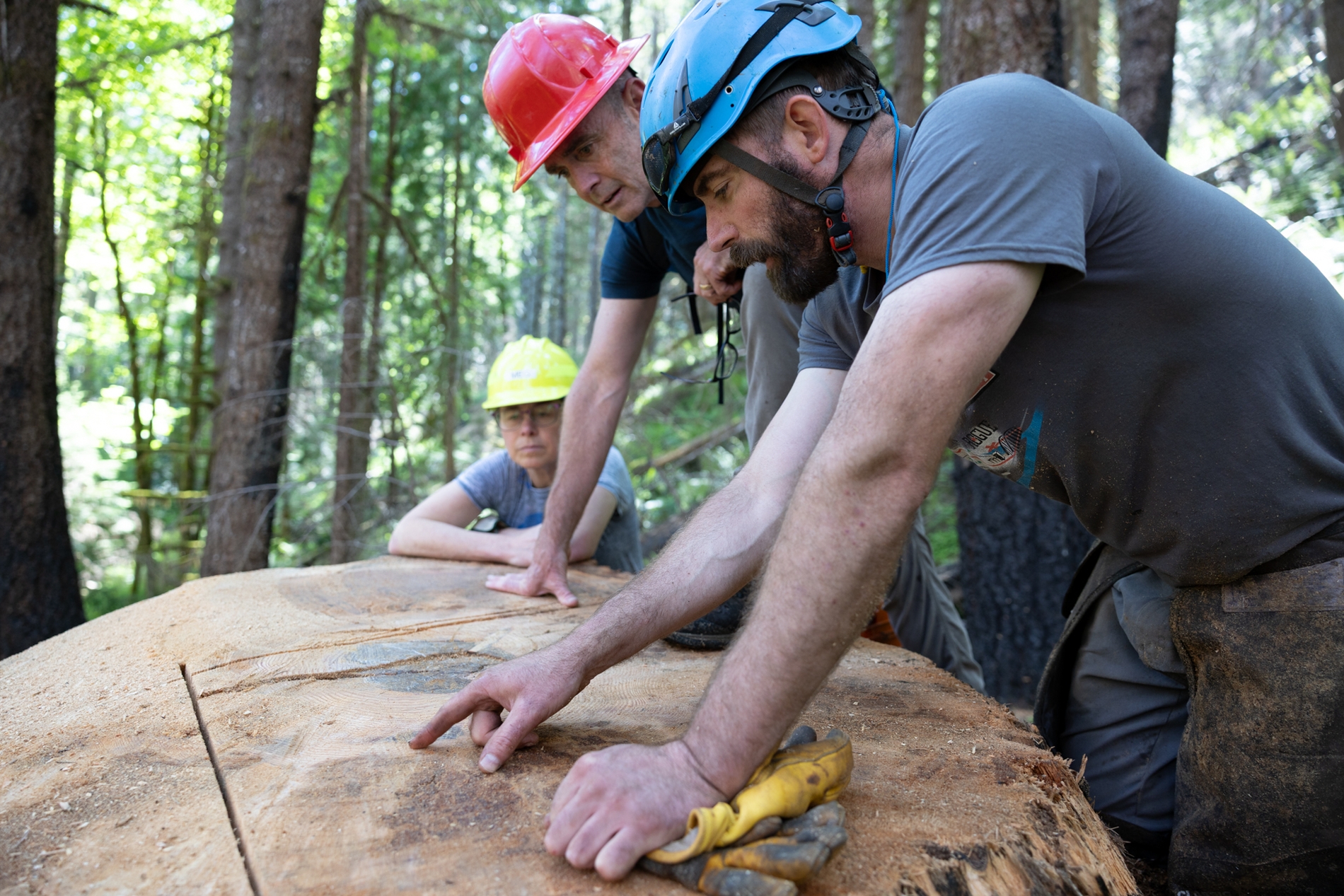
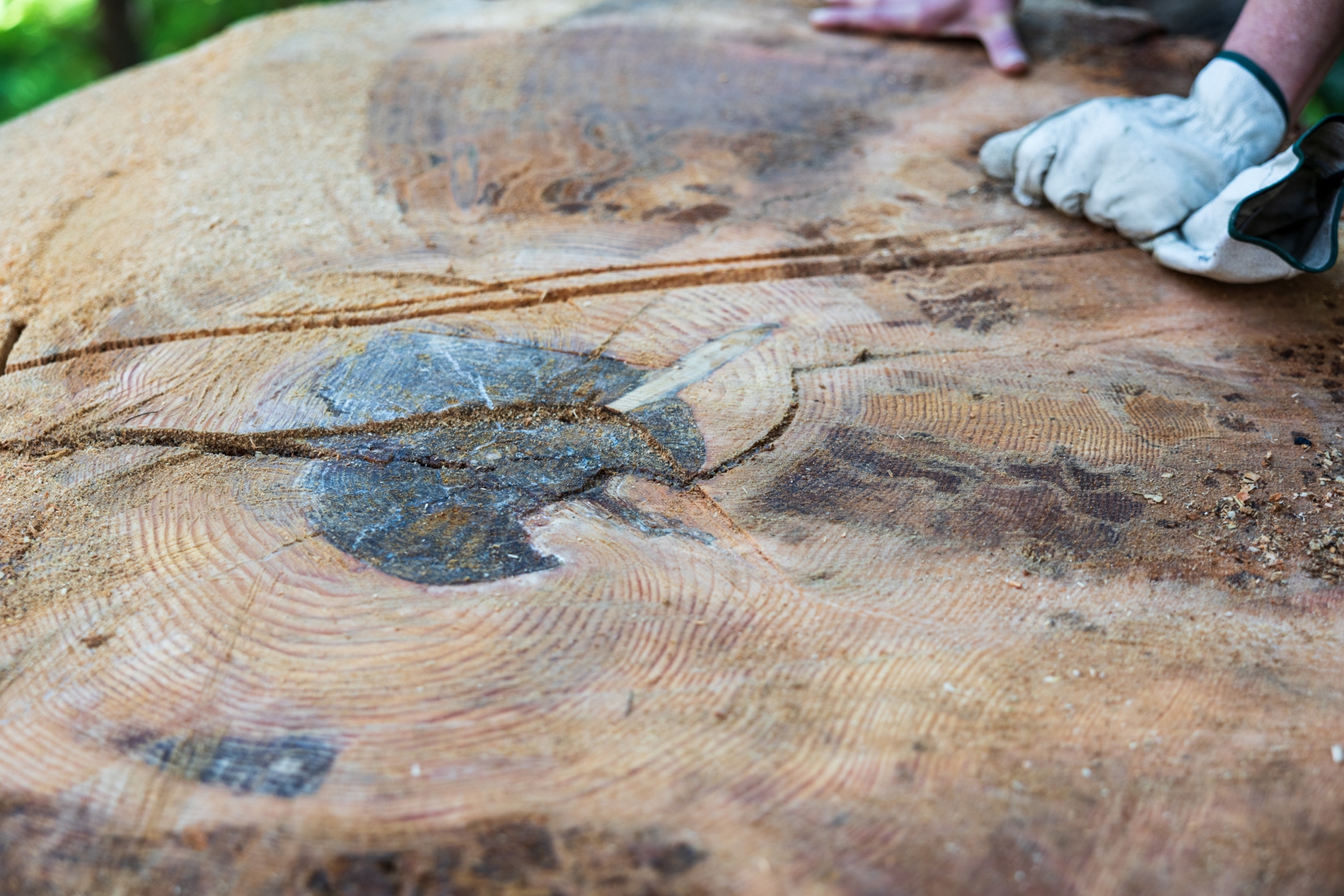
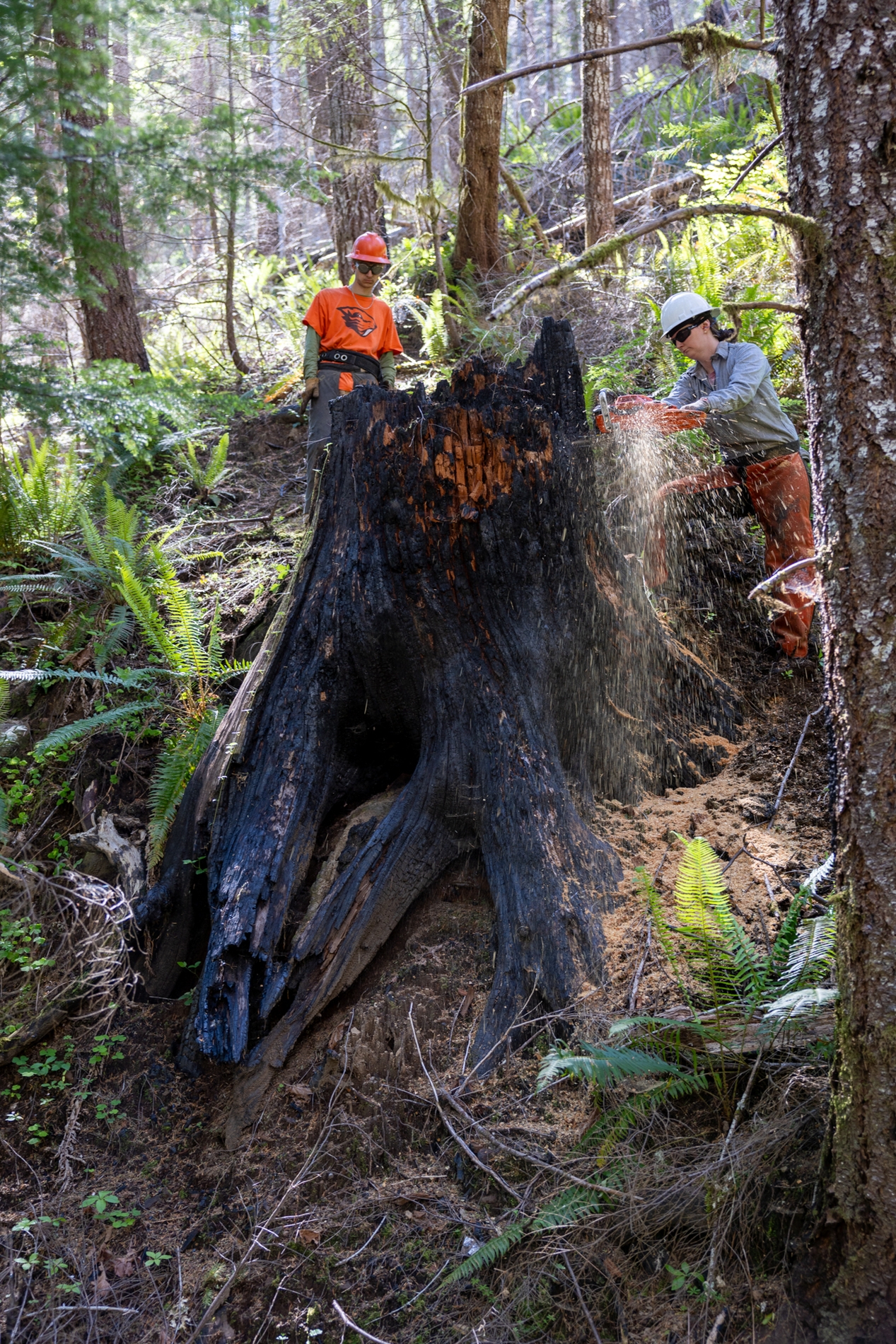
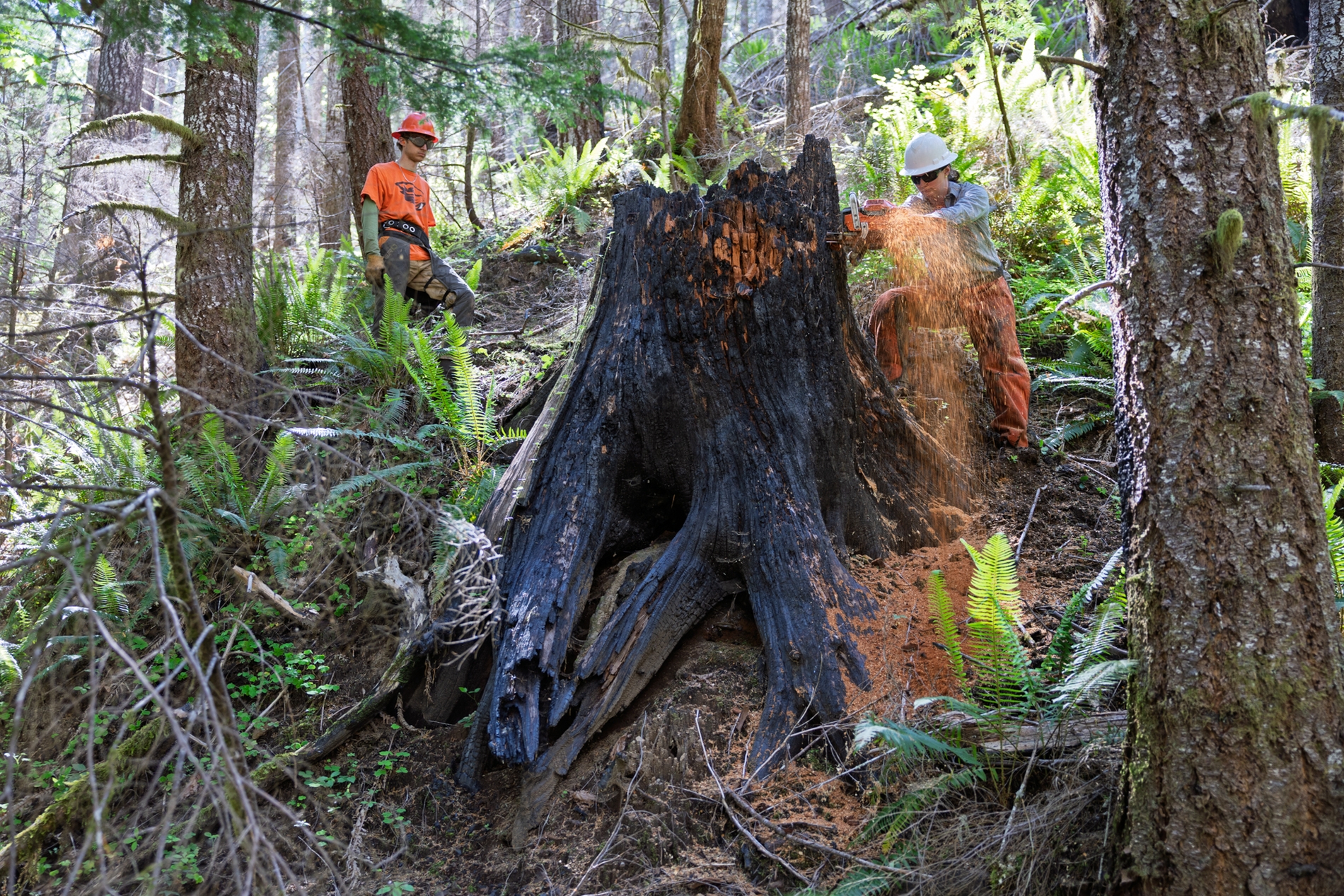
At each reconstruction site field crews will use a chainsaw to remove cross sections from 15-20 dead trees that have cambial fires scars. To be considered a fire scar the following characteristics must be present: 1. Locally absent rings caused by cambial death 2. Resin response behind the scar 3. Wound wood where growth curls around the injury 4. Injury must be contained within a single ring. These cross sections are then taken back to the lab to be sanded to a fine polish where individual cells are visible. Then, each ring is measured and cross-dated both visually and statistically resulting in each ring being assigned to a single calendar year. This allows the precise dating of the establishment of the tree as well as any fires that resulted in a fire scar.
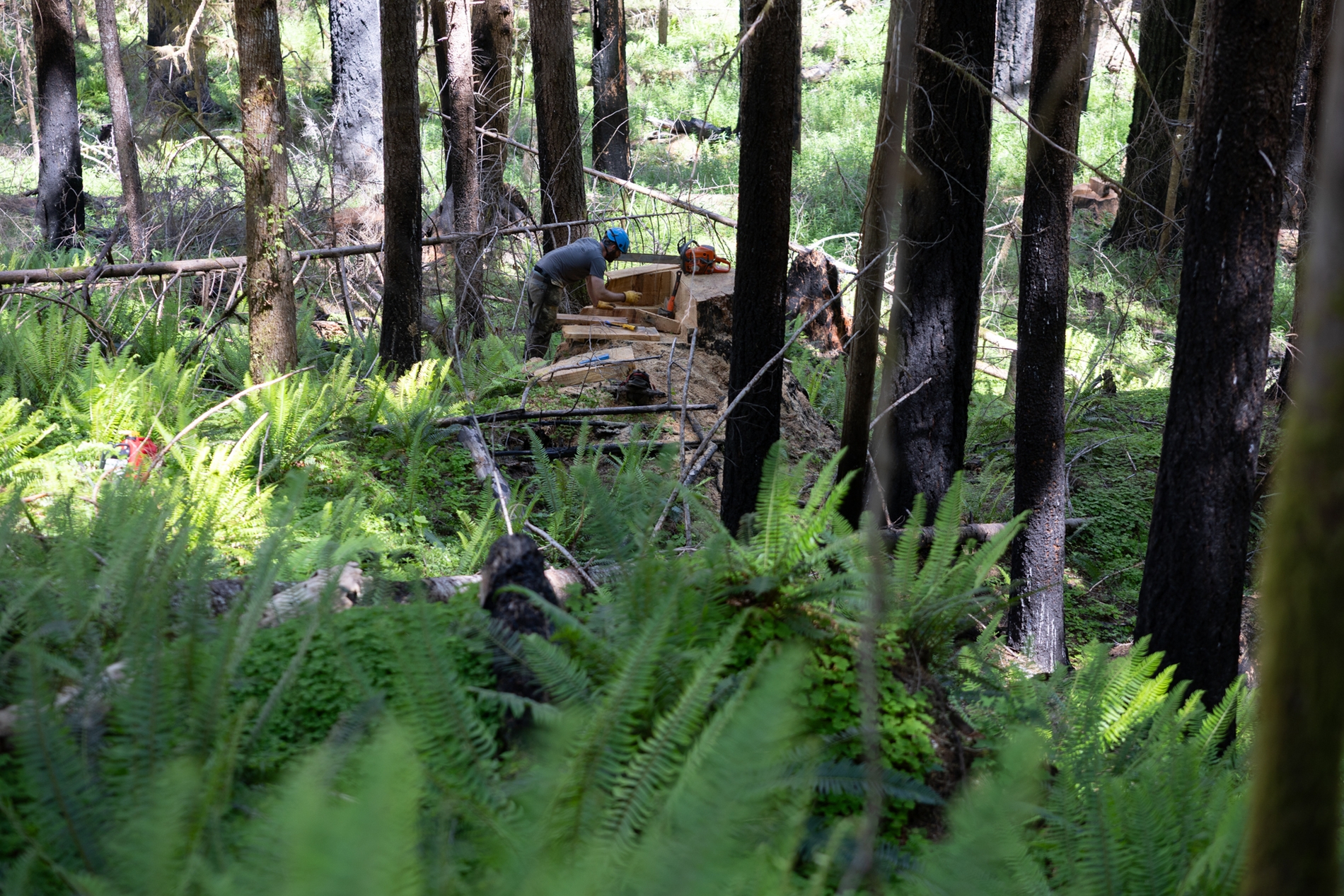
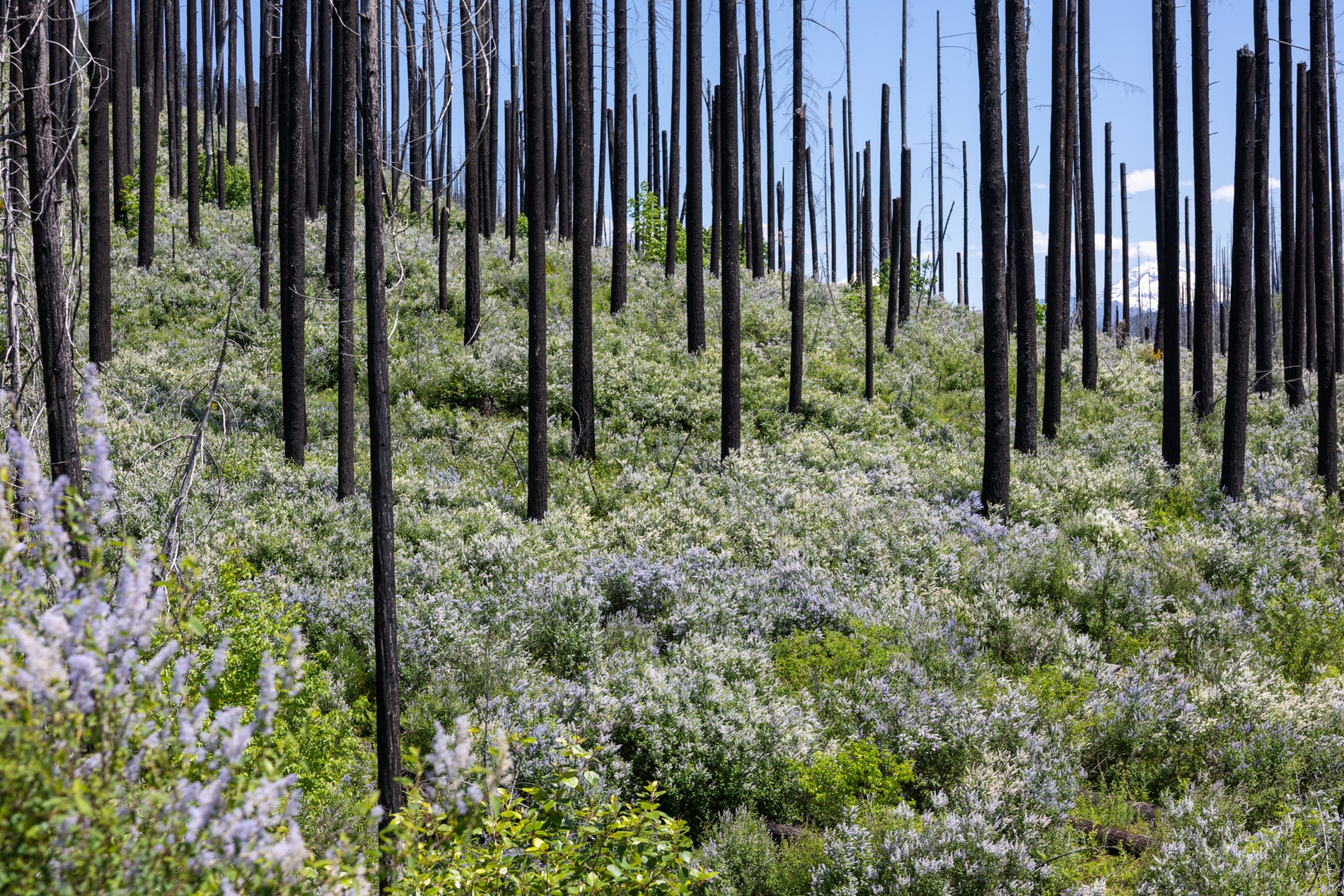
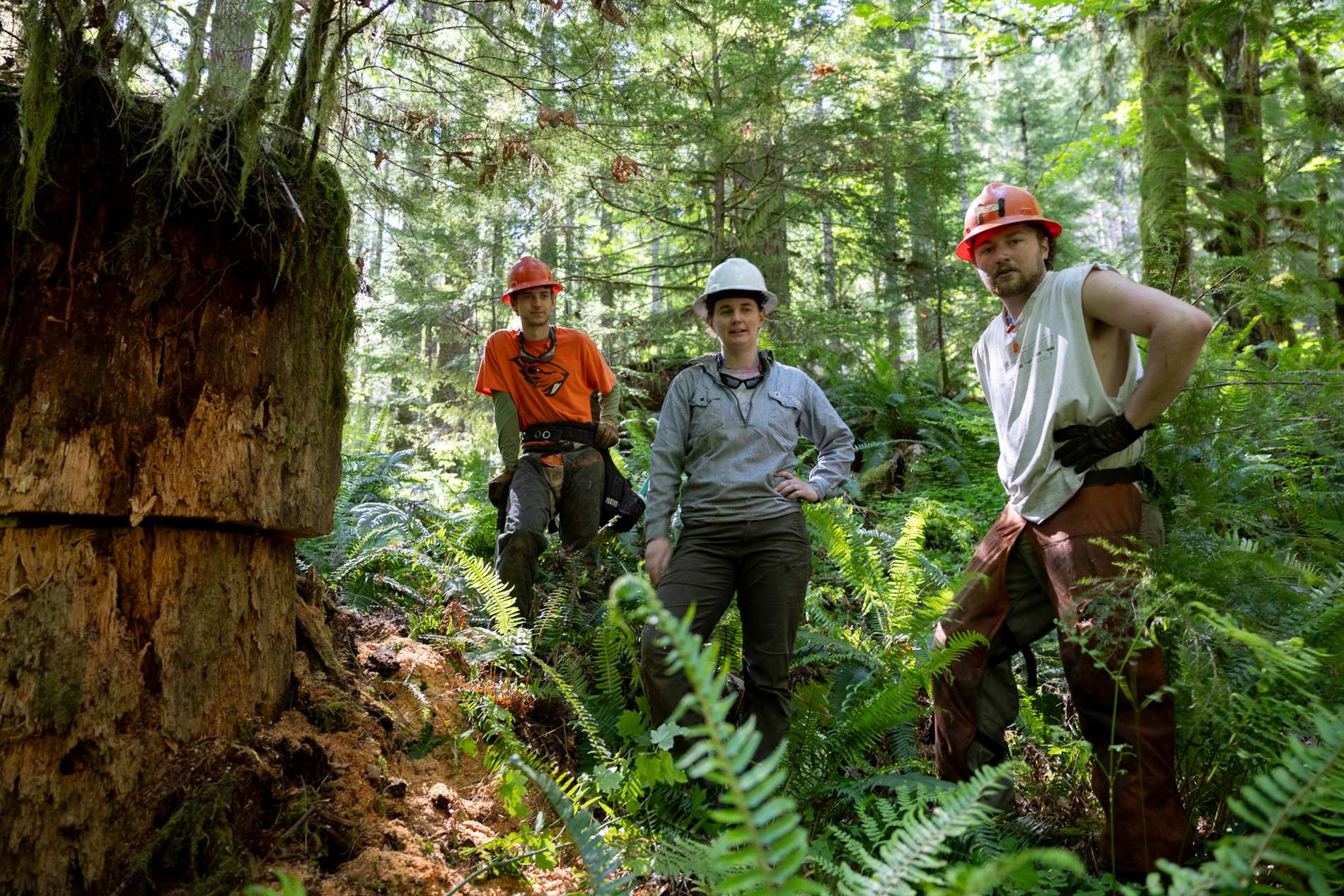
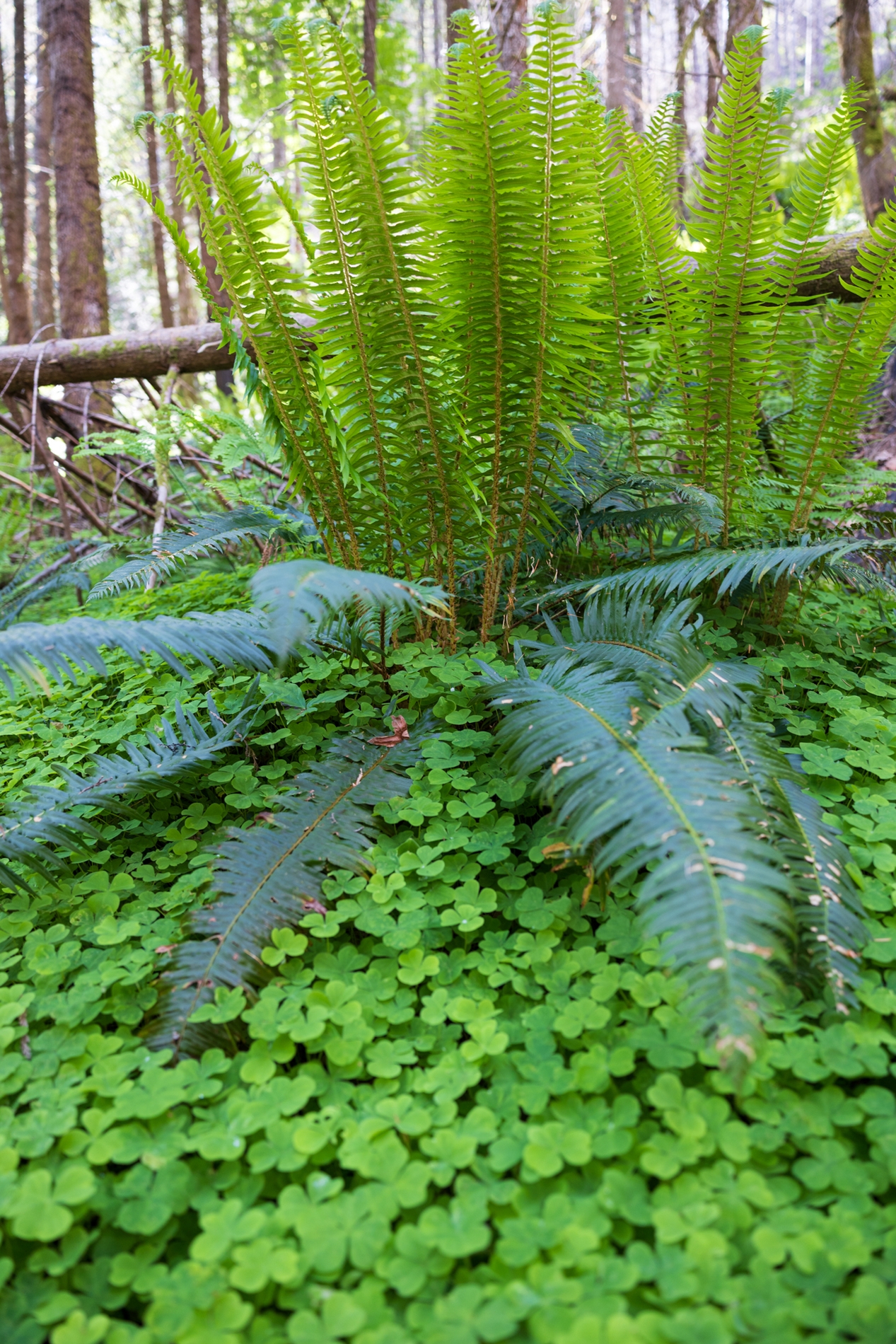
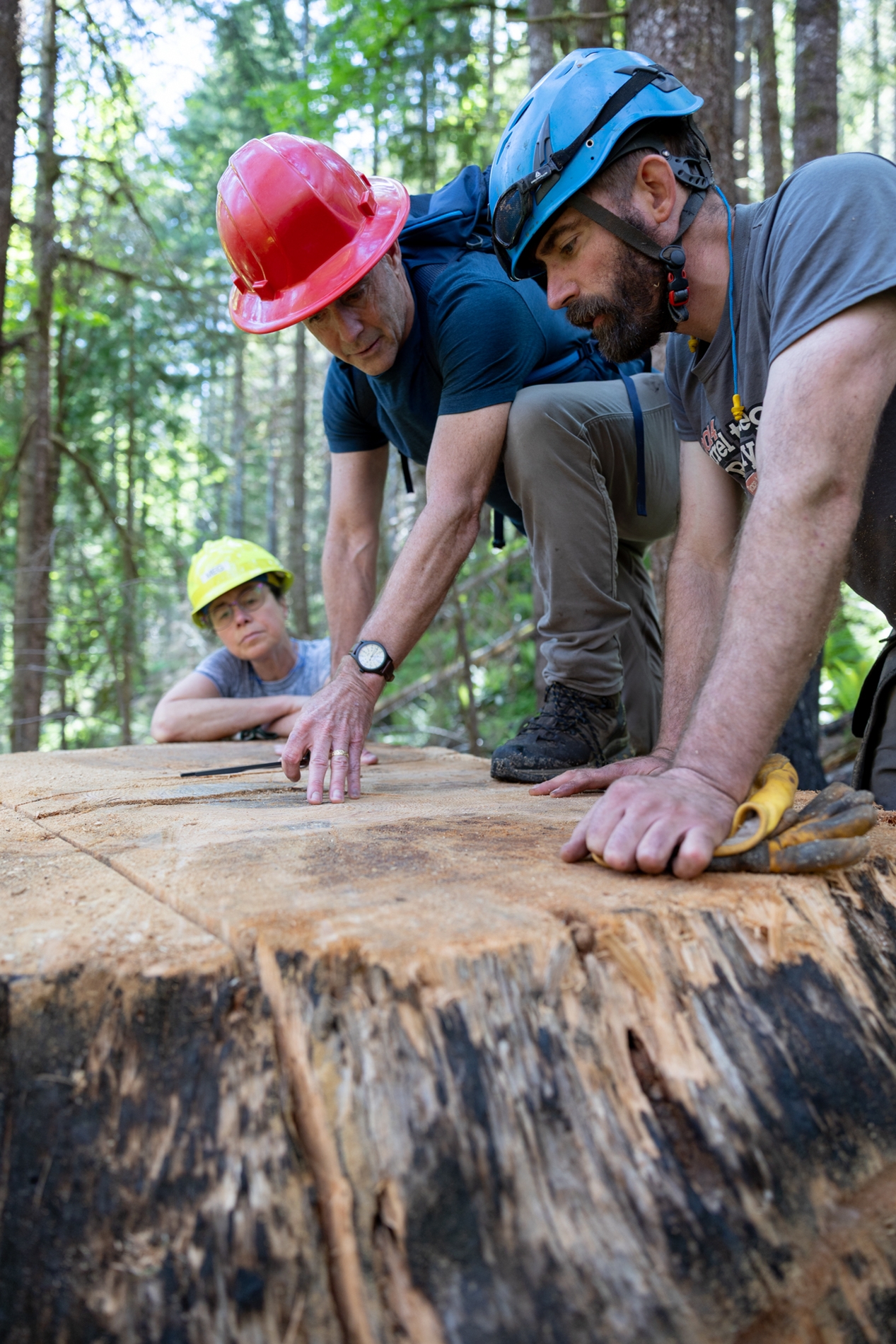
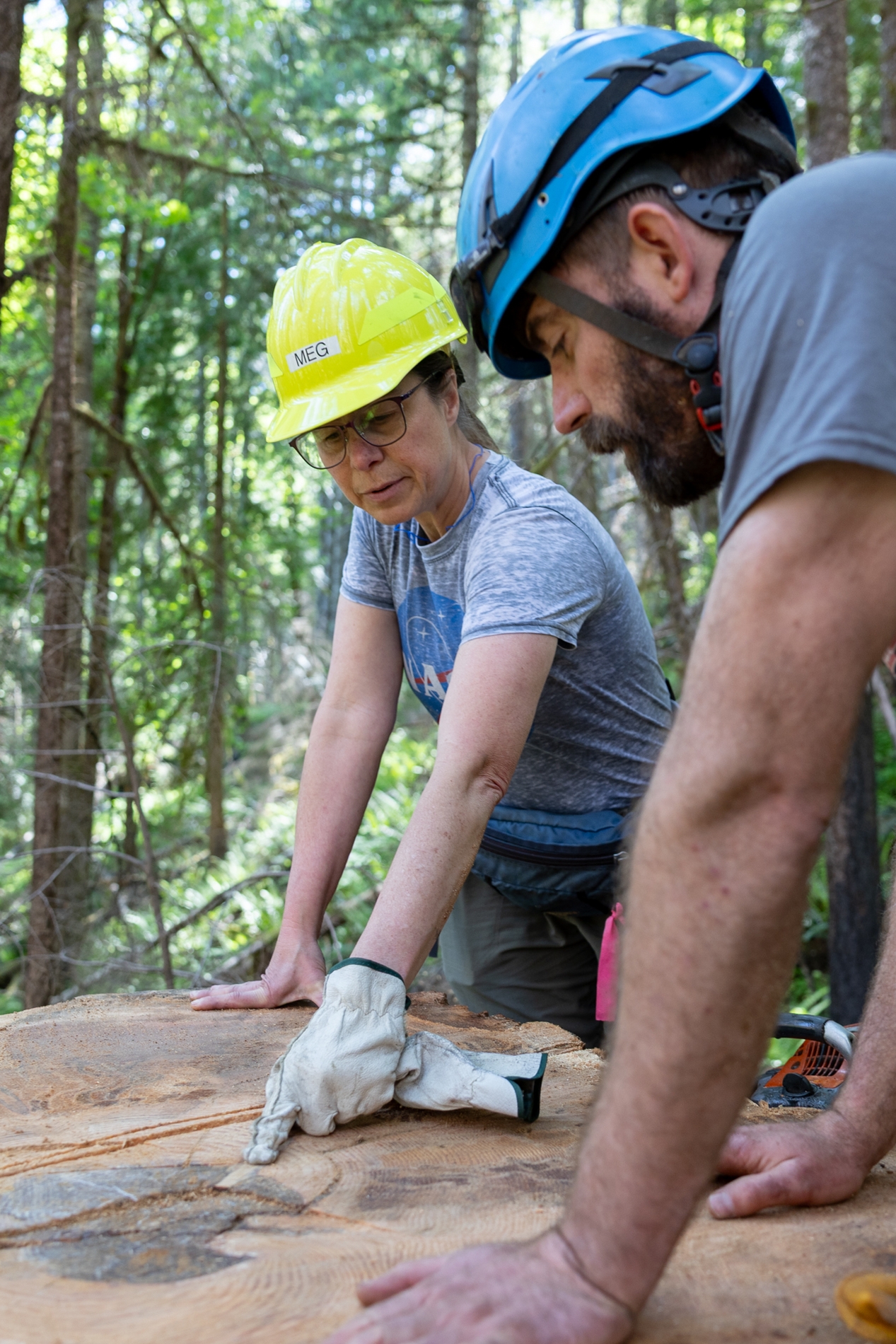
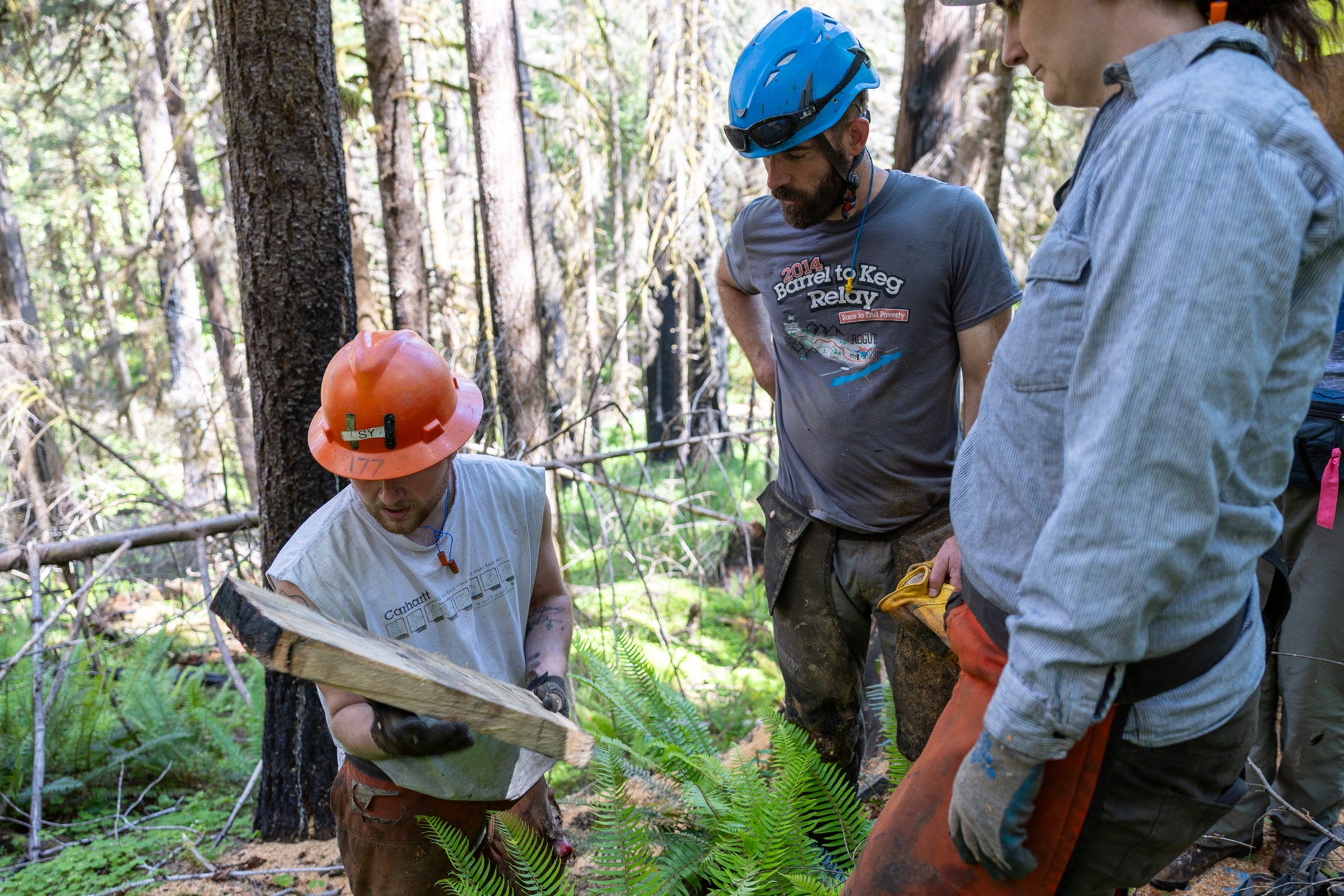
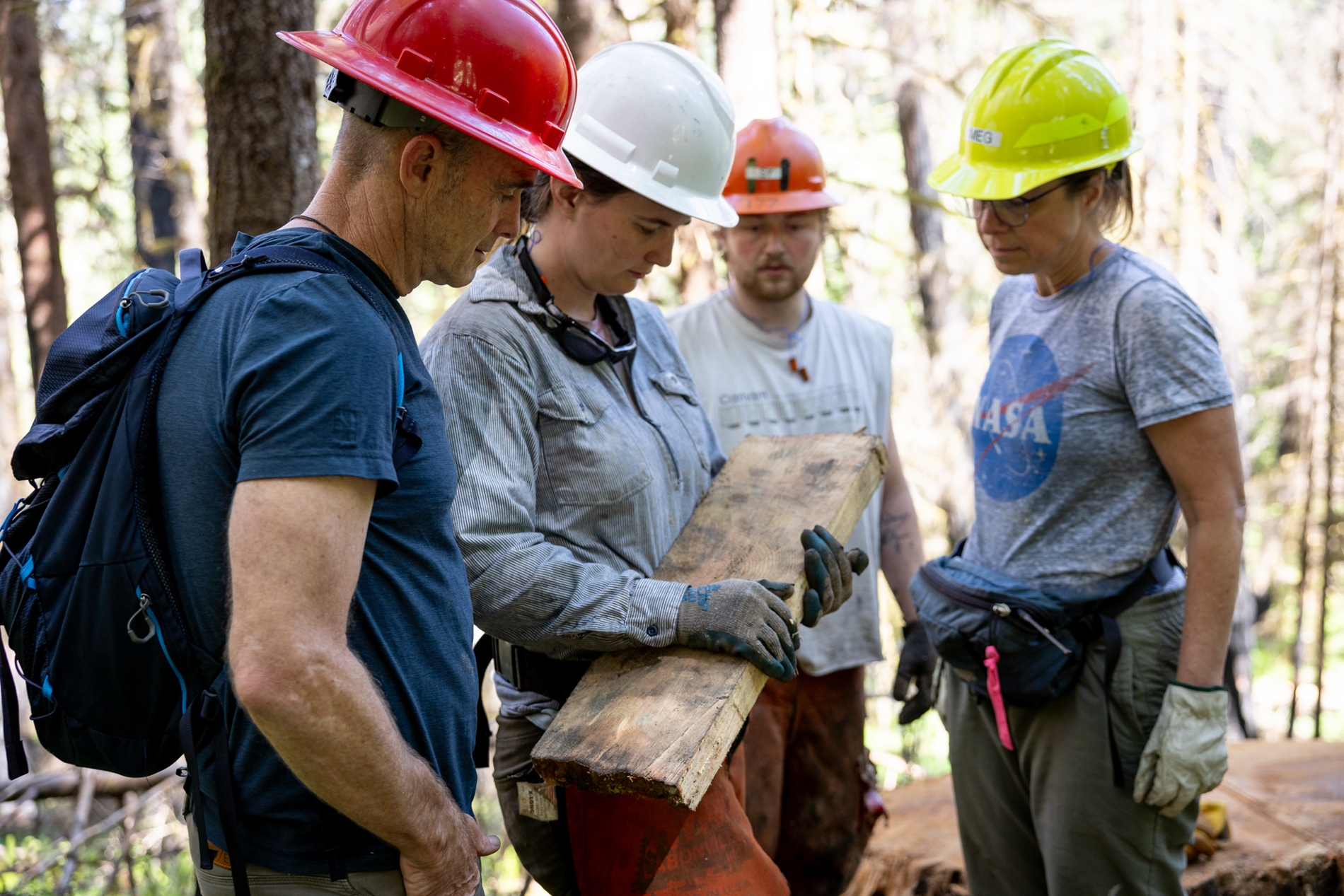
Photos in this gallery show the Tree Ring Lab crew sampling in a stand just off the 360 road, in an area that burned at mixed severity in the 2023 Lookout Fire. The crew cut a total of 36 stumps, and took samples from 14 of those which showed evidence of fire scars.